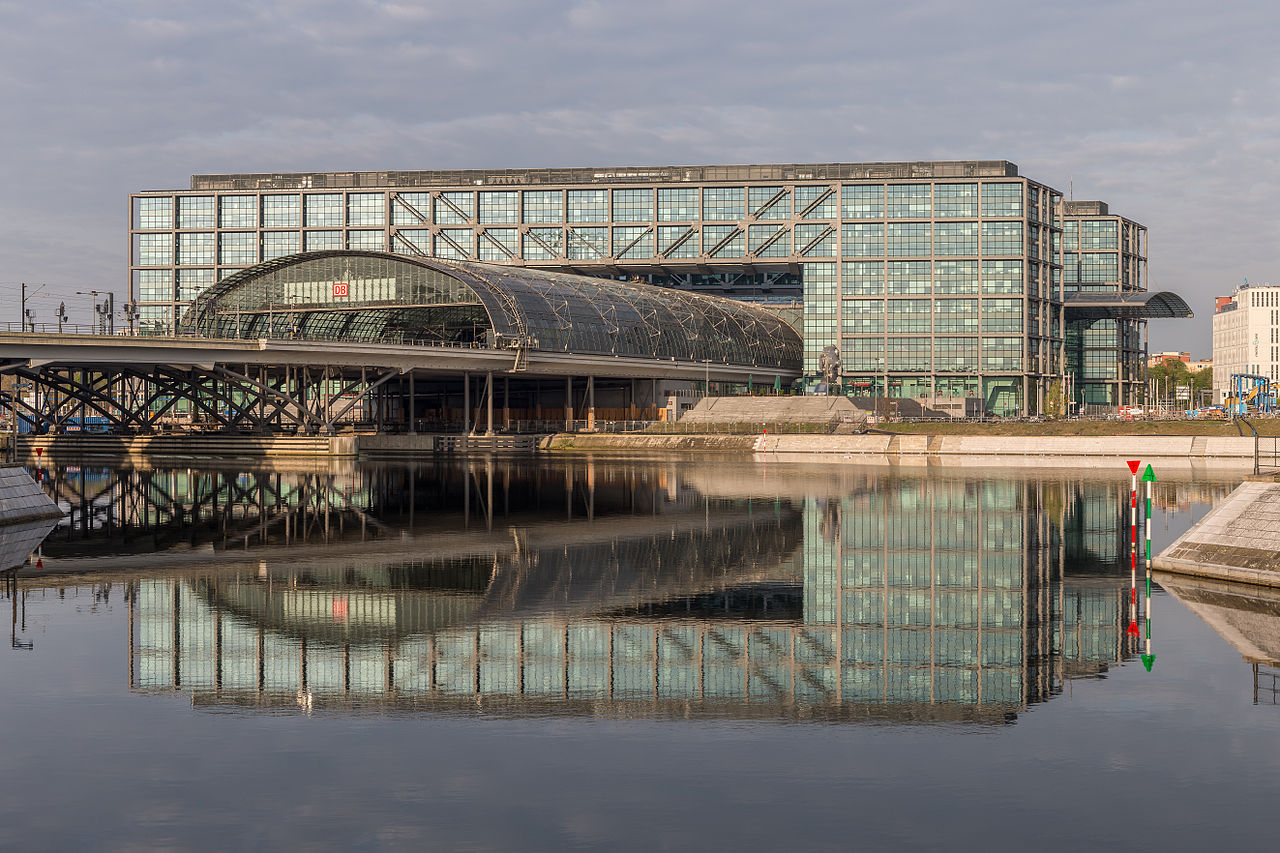
Underwater Excavation in a flooded Metro Tunnel, Berlin (2017-2018)

When groundwater flooded a 6.4 km S-Bahn expansion beneath Minna-Cauer-Strasse, the tunnel was deliberately submerged. Scanmudring's remote-controlled excavator cut grout piles and dredged the pit out in near-zero visibility.

Location:
Berlin, Germany
Main Spread:
20Te
Tooling:
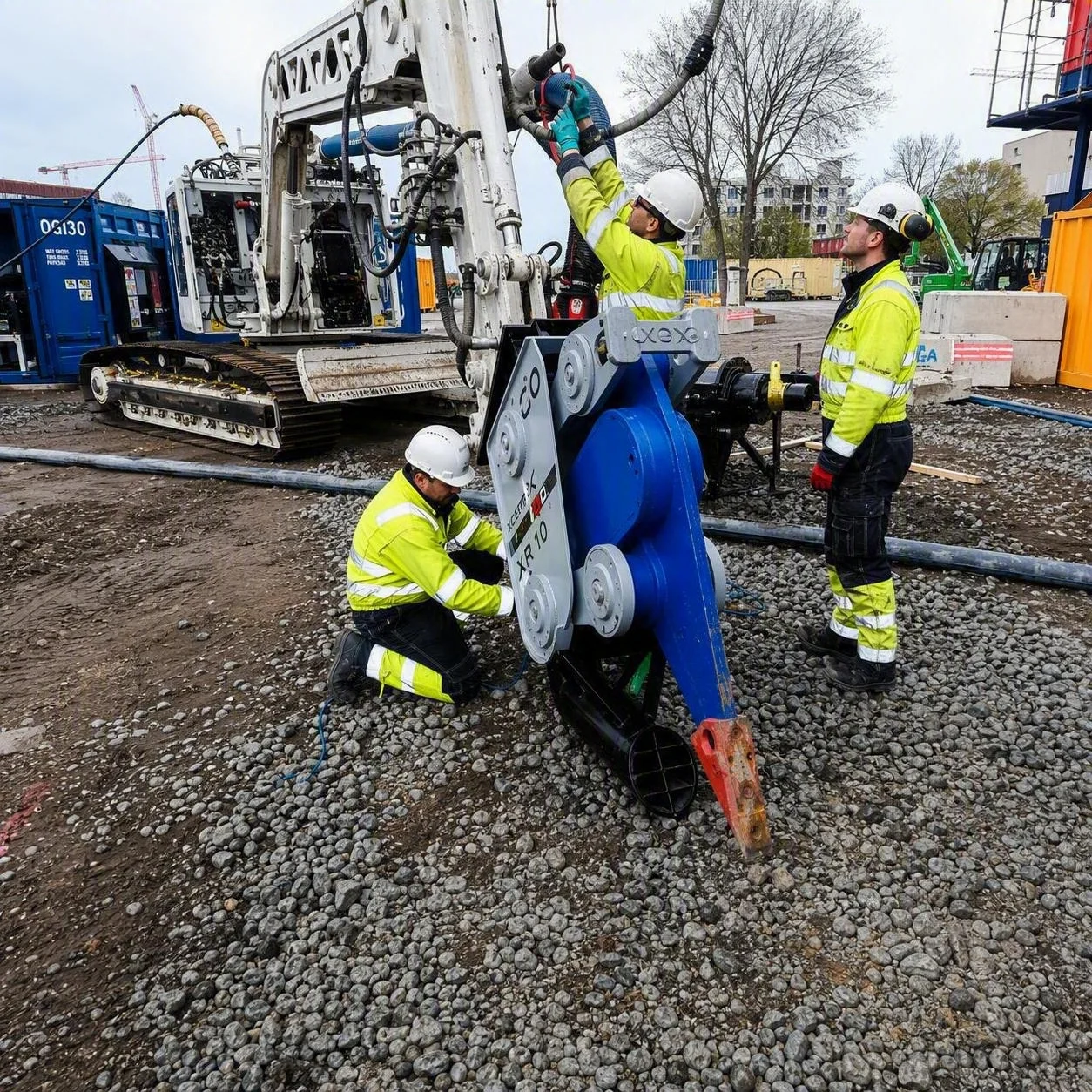
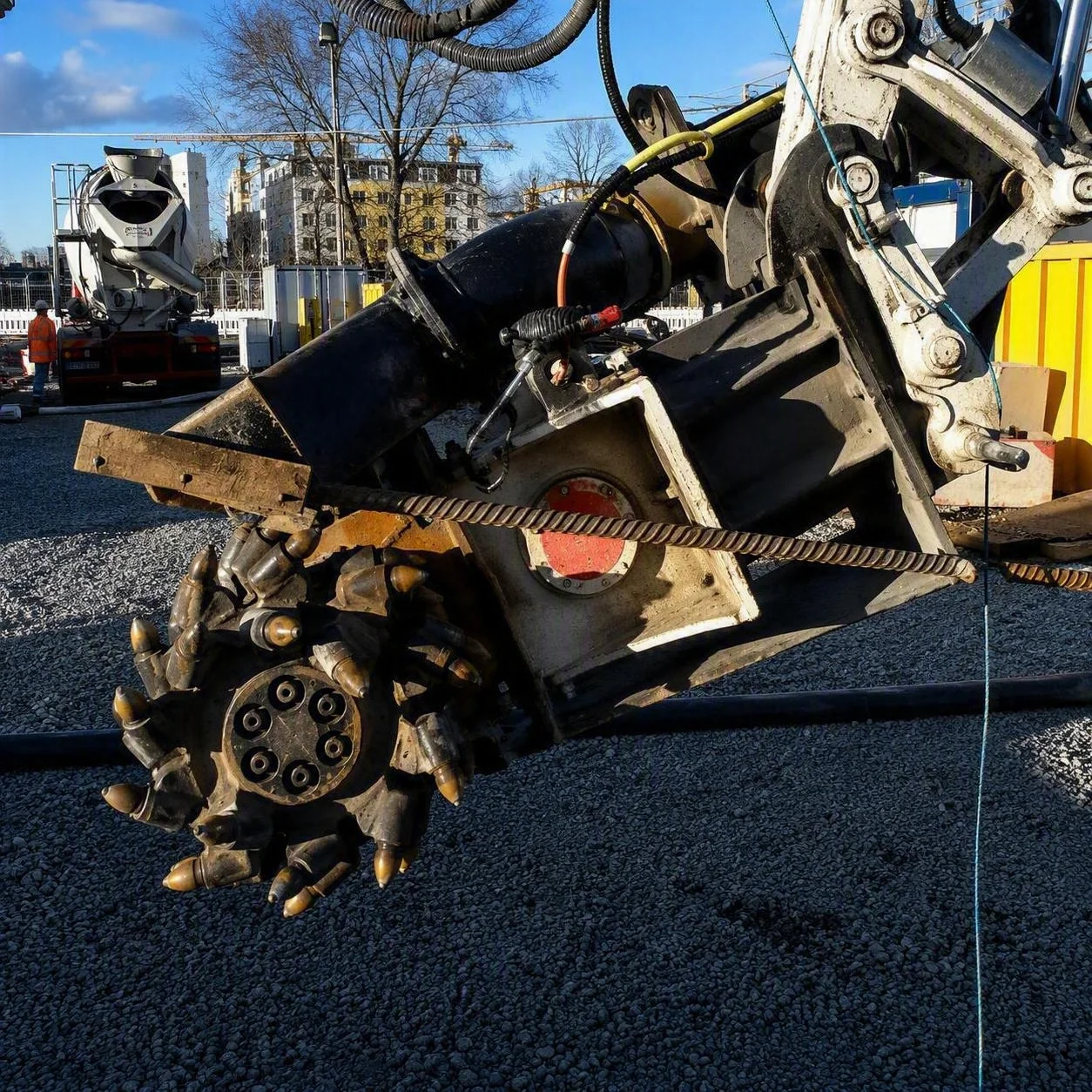
Cutter drum, Xcentric ripper, long suction nozzle, HP jetting
Water Depth:
~20m
Duration:
360 days
Year:
2017/18

Scope of work

A 6.4 km expansion of the Berlin S-Bahn ran into trouble when groundwater began pouring into the tunnel excavation beneath Minna-Cauer-Strasse. Work was interrupted and the project put on hold. To stop moisture penetrating from below, this section of the construction site was deliberately flooded.

‍

Earlier grout injection had left a large number of grout piles inside the tunnel. Scanmudring's remote-controlled excavator was used to cut grout and soil with a drumcutter, then dredge and pump the material out of the pit. Additional work included silt suction, removal of horizontal and vertical blinding layers, and careful dredging around GEWI uplift anchors that could not be damaged.

‍

Tunnel water was of very high turbidity, with visibility down to 5 cm — a fact that made the task considerably more complex.
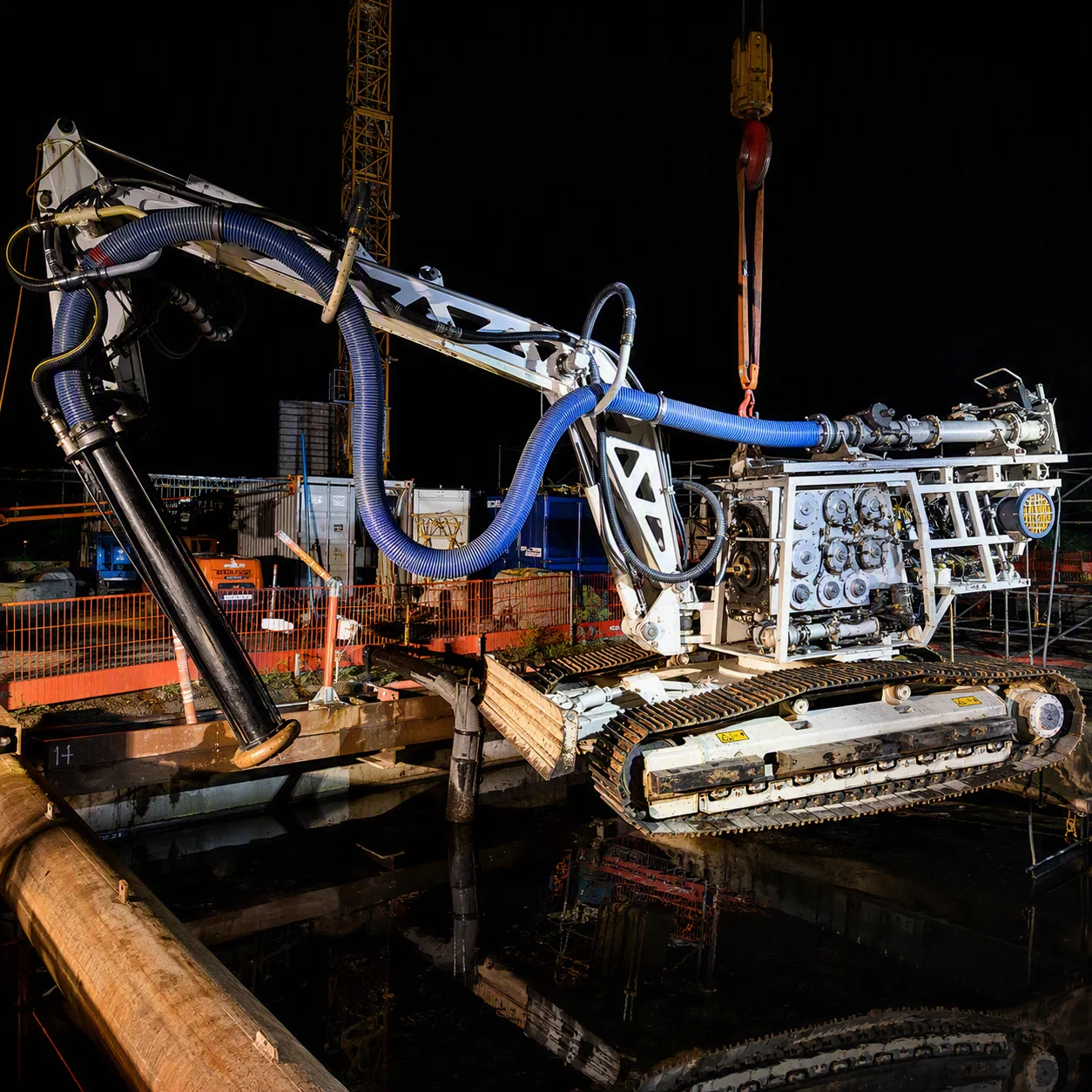
(SM20Te)
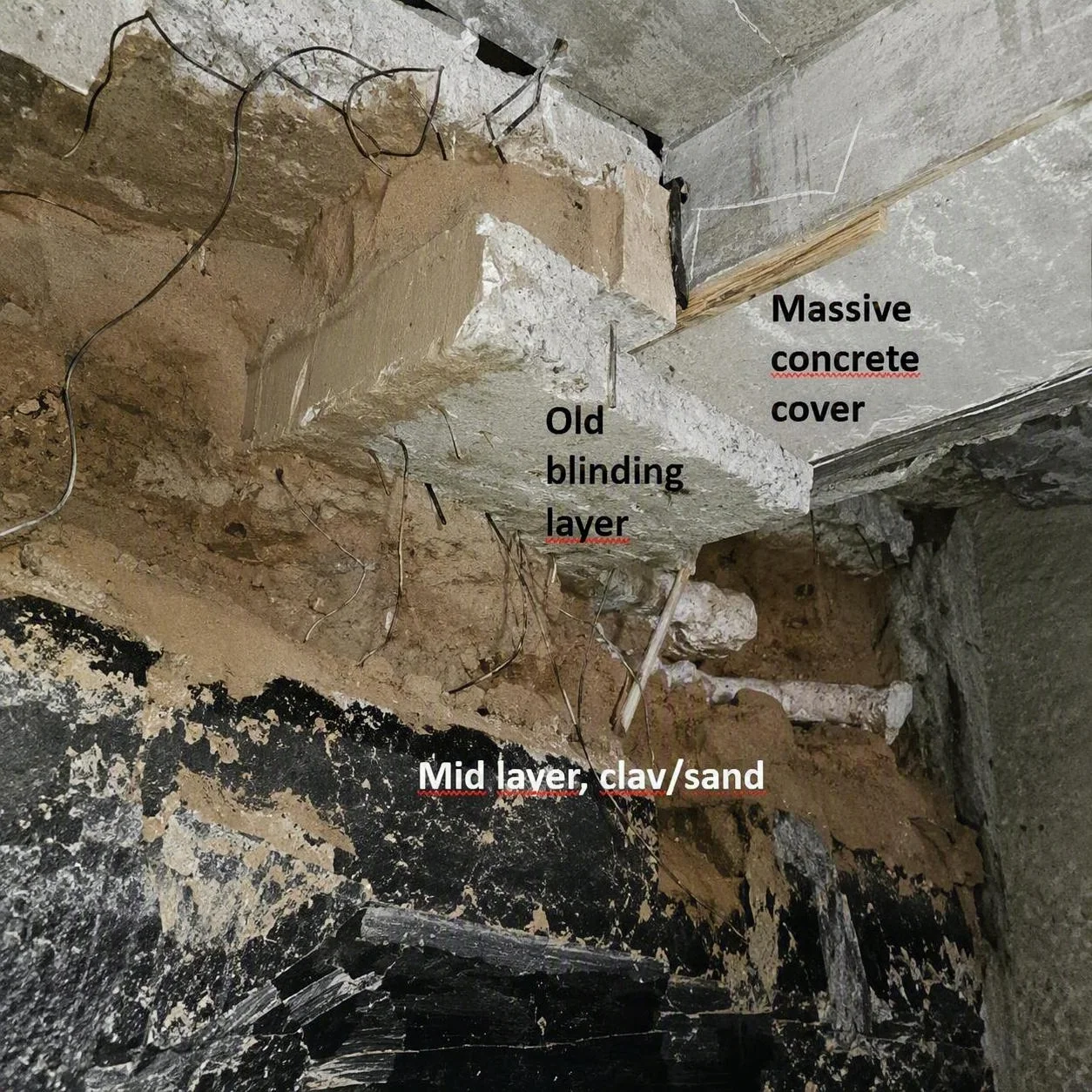
(Soil test)

Planning Phase

The scope required several types of underwater excavation: dredging and removal of soil, demolition of grout blocks, silt suction and removal, and removal of horizontal and vertical blinding layers of varying material strength. That variety made tool selection demanding. Several site visits and substantial testing were carried out before the operation began. 

‍

Challenges
  • Multiple soil types and layers to be removed: sand, mud and clay
  • Grout piles in a 1.5 x 2m grid
  • Horizontal and vertical steel and plastic pipes
  • Reinforced concrete blinding layer
  • GEWI uplift anchors, which could not be damaged
  • Visibility of 0-5 cm

‍

Specific Tooling

A 20Te Scanmachine spread was shipped to Berlin

  • 2 m extended suction nozzle
  • Xcentric ripper
  • Drum cutter
  • Telescopic arm
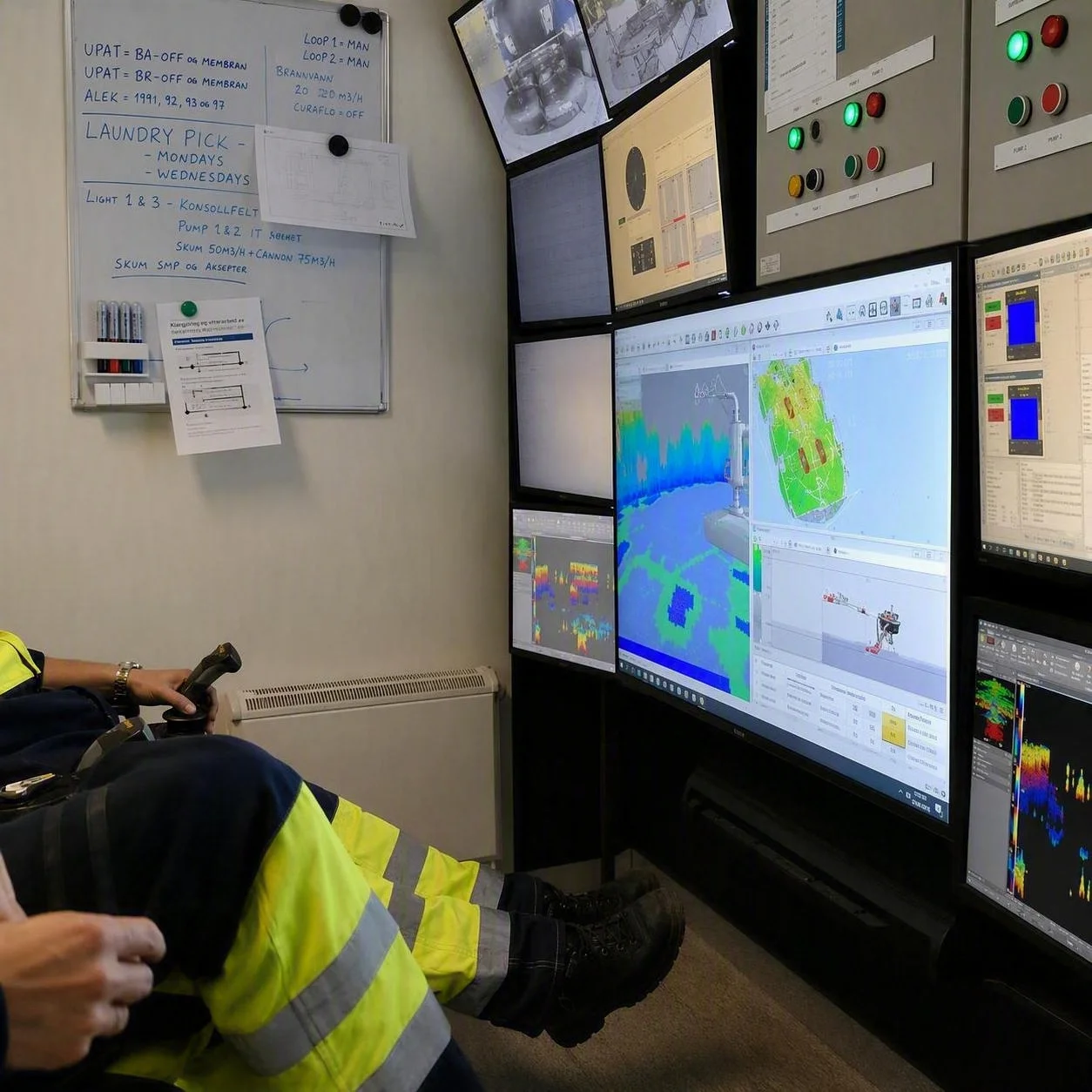
  • 3D sonar for working in limited visibility

Project Execution

Dredging the mid layers
  • Scanmachine 20Te fitted with an Erkat drumcutter to cut grout into smaller pieces
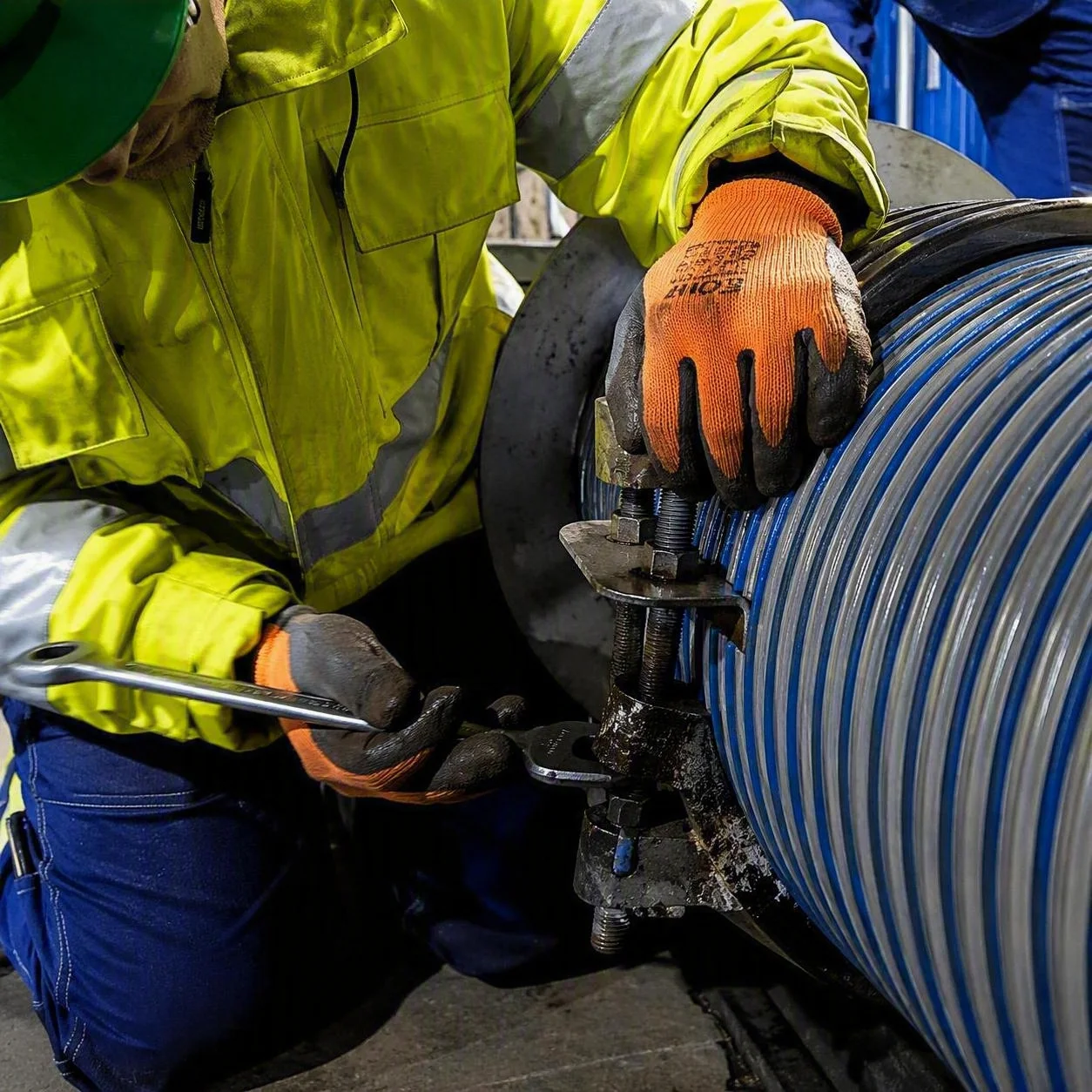
  • Suction nozzle fitted to dredge out material
  • A slurry pump transported soil up to 70 m horizontally and 25 m vertically to a topside seperation plant
Removing the old blinding layer
  • Scanmachine 20Te with telescopic arm and Xcentric Ripper
  • Worked in horizontal movements, ripping down the blinding layer in the ceiling without damaging the concrete cover above it
Dredging around the GEWI piles
  • The GEWI piles could not be damaged, so the bottom layer demanded particular care
  • A 2 m suction nozzle with HF jetting was used
  • The GEWI steel anchors sat in a 3 x 2.5 m grid
Controlling the operation in zero visibility
  • Scanmudring`s real-time monitoring system gave the operator a virtual working enviroment
  • Dual depth sensors provided accurate dredging depth
  • Cameras covering the working area and the seperation plant kept the operator informed of production rate
  • A seperate tripod fitted with a Coda Octopus Echoscope 3D sonar acted as an acoustic camera for navigating the tunnel, and was also used to produce interim surveys of the dredged area

Conclusion / Lessons Learned

  • The project was executed safely and in close coperation with both the divers and the construction company
  • The Coda Echoscope sonar worked well for overall positioning and gave the operator a real-time view of the surrondings
  • The dual depth sensor setup delivered accurate depth measurements
  • Several methods and tools were tested and used across the different levels, both before the project and during execution as new challenges emerged

The project was also presented on German news.