Seabed Remediation and Levelling, Northern Europe (2024)
Scanmudring delivered a complete seabed remediation campaign across three planned foundation areas. By combining high-capacity grab excavation with controlled subsea dredging and precision levelling, approximately 7,600 m³ of extremely stiff and sticky clay was removed or relocated to prepare the seabed for installation.
Location:
North Sea
Main Spread:
Sm40Te
Tooling:
PG16, GHD10, Suction nozzle with slicer, and Mixmaster seabed tooling
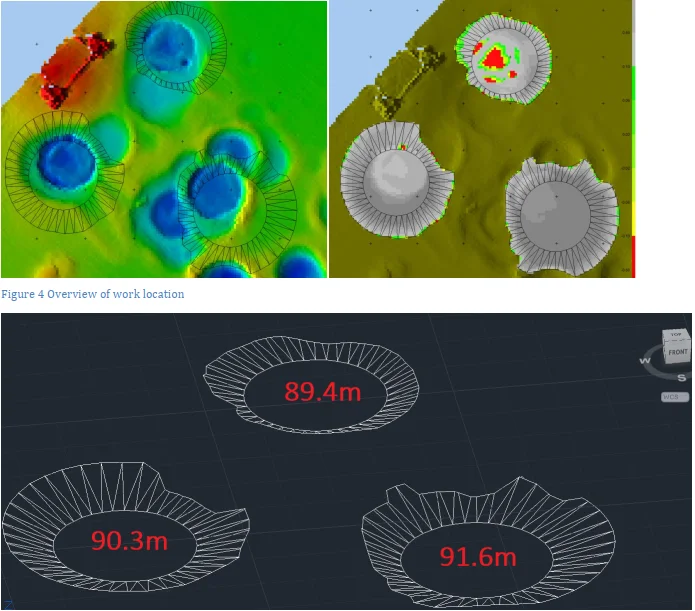
Scanmudring supported seabed preparation ahead of an offshore installation campaign. Previous installation activities had left depression sand uneven seabed conditions across three planned foundation areas. Each area had to be excavated and levelled within defined acceptance criteria before the installation unit could be safely positioned. The work involved the removal and relocation of approximately 7,600 m³ of extremely stiff and sticky clay. Due to the combination of high material volumes and strict levelling requirements, the project required both efficient bulk excavation and accurately controlled final seabed preparation.
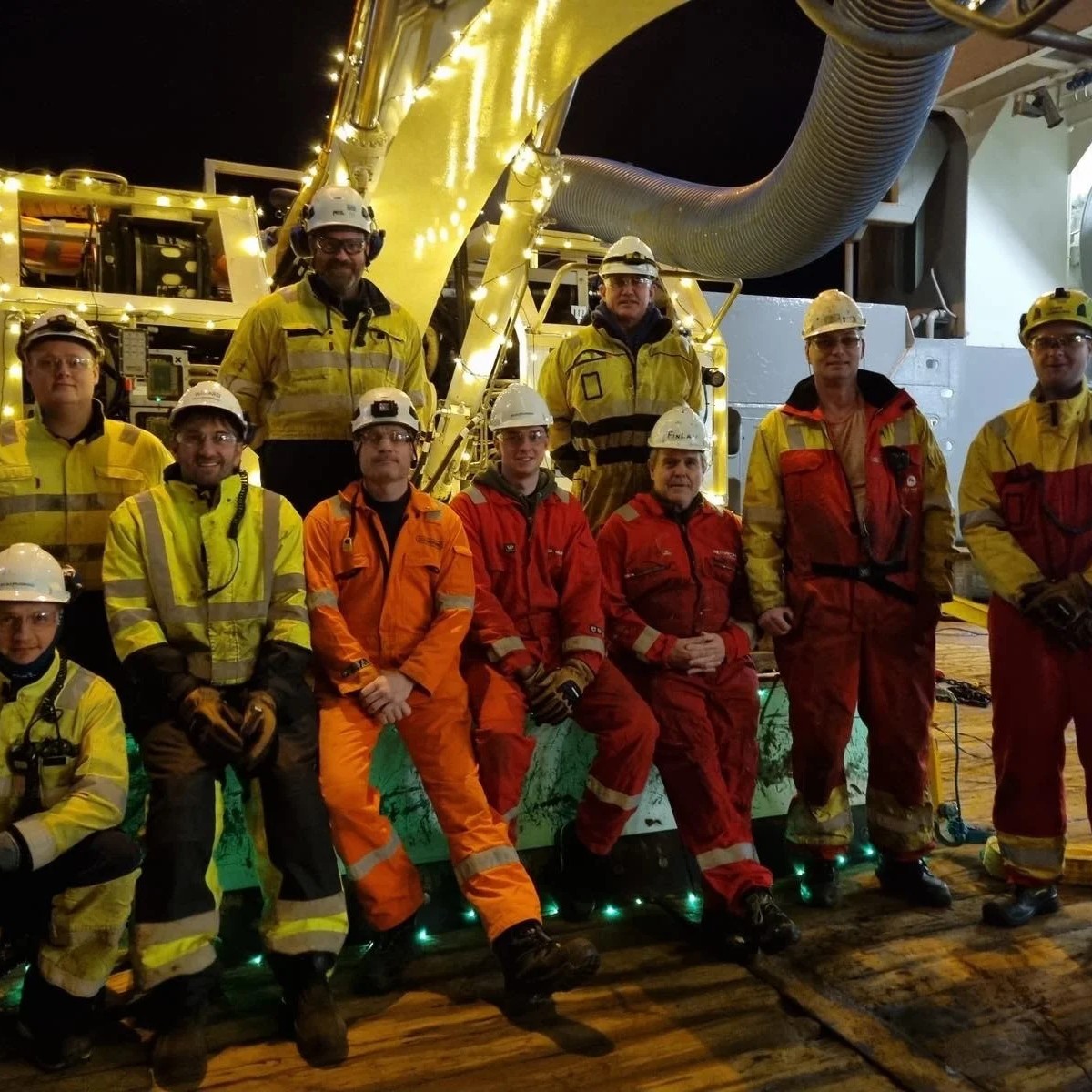
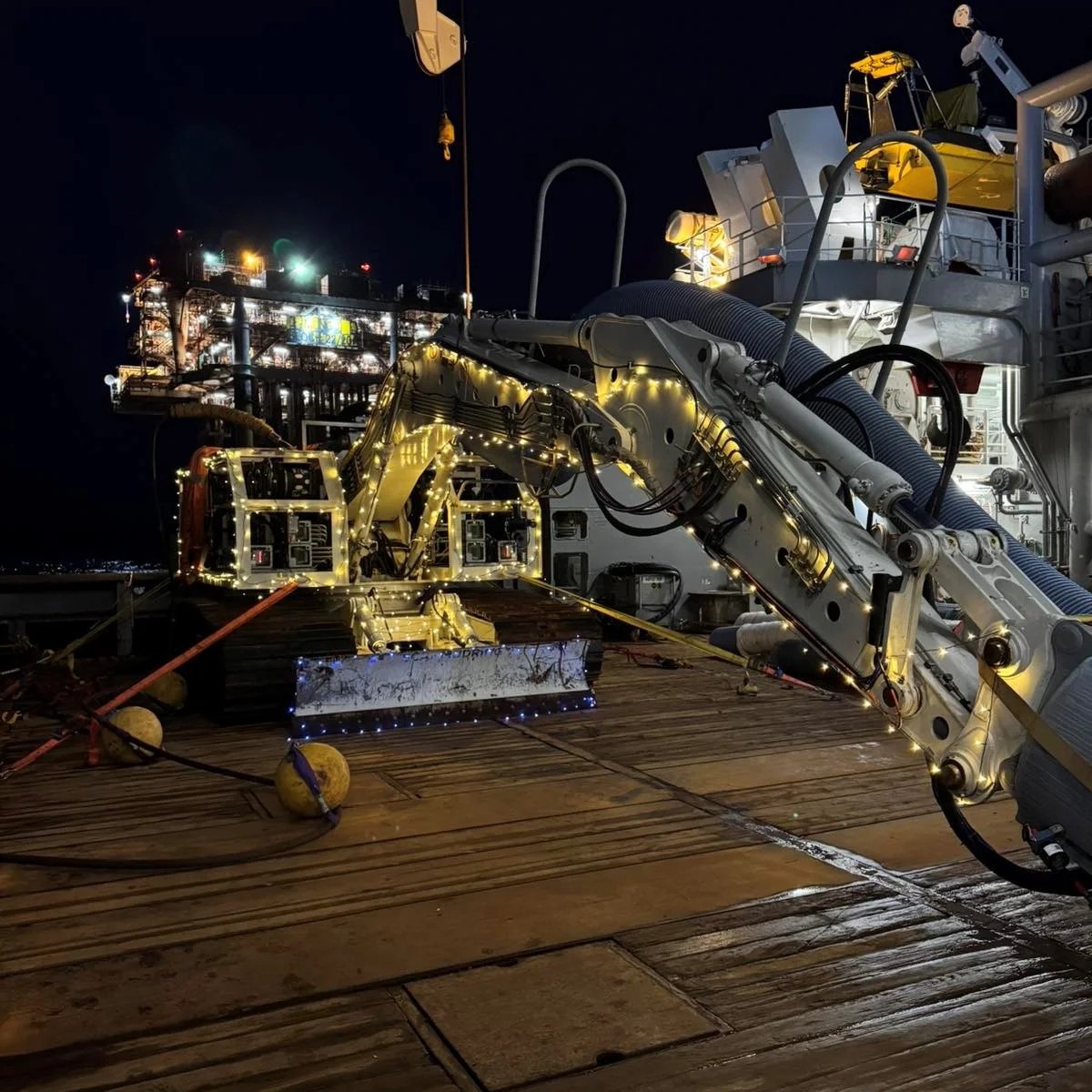
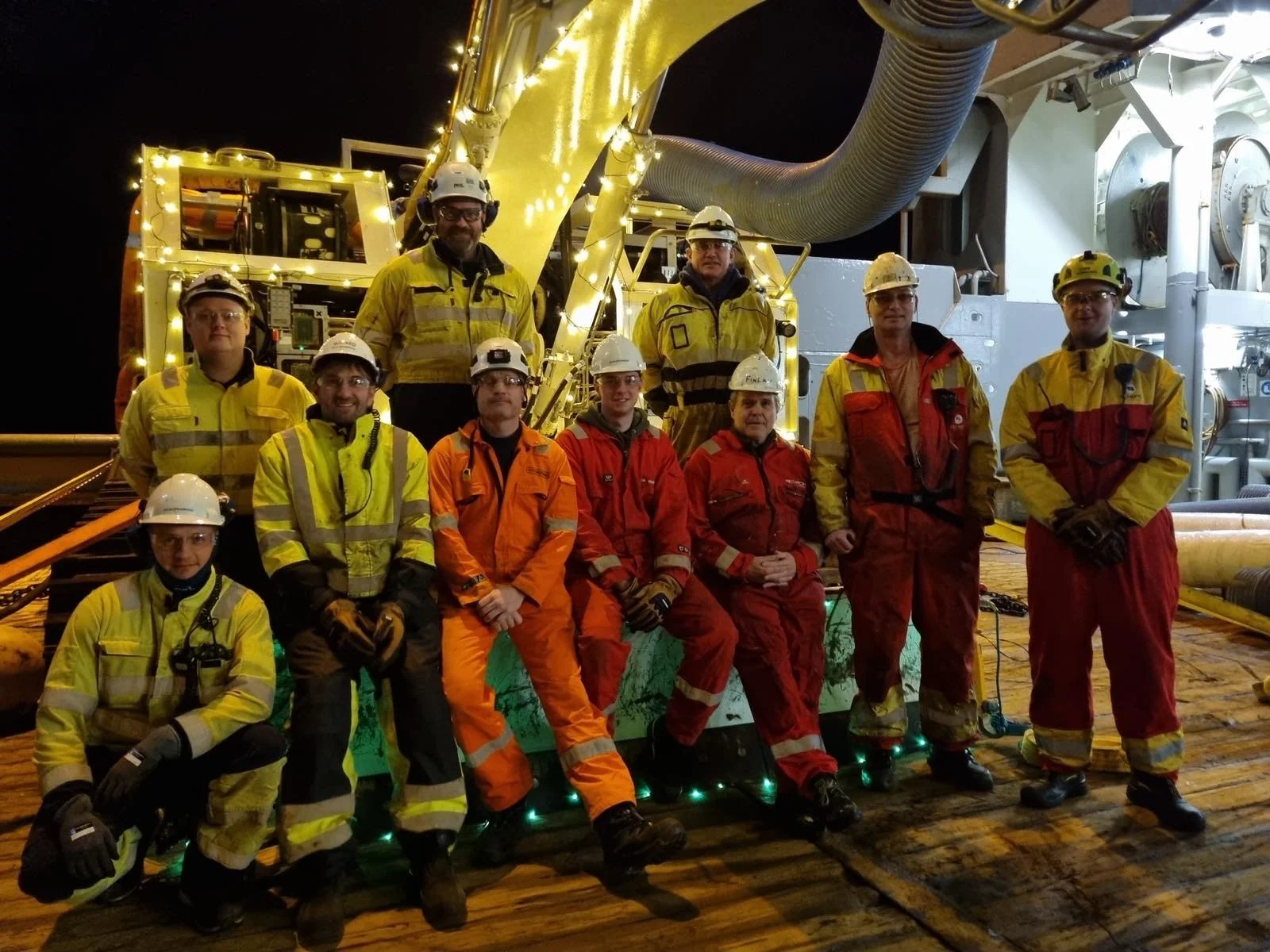
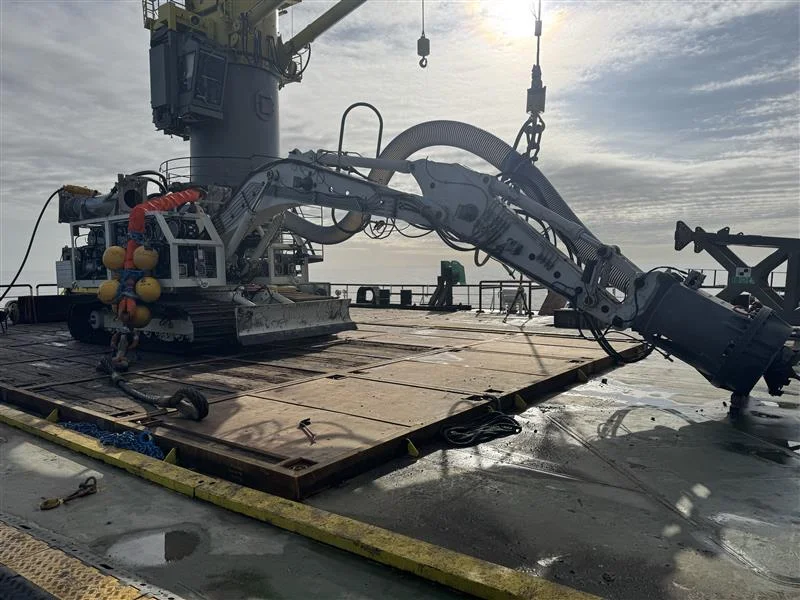
(Sm40Te)
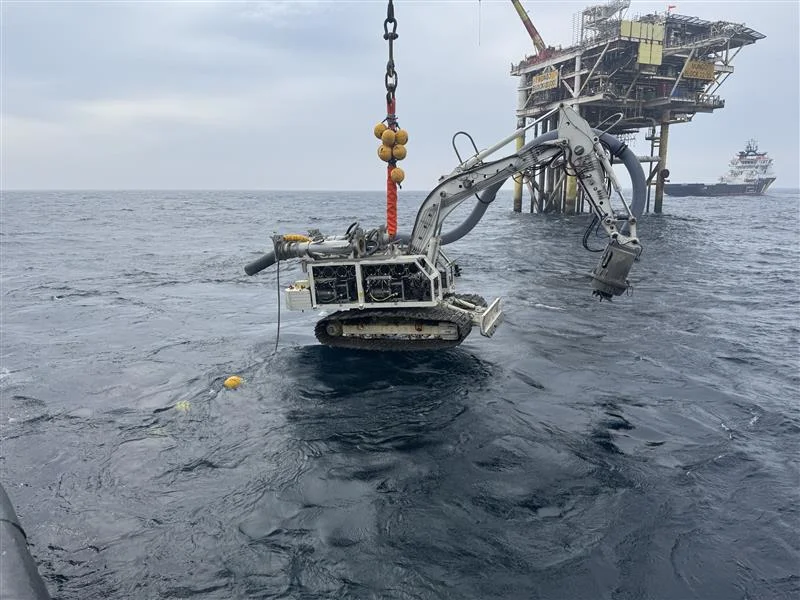
(Sm40te)
Planning Phase
The original concept was based on a tracked Scanmachine equipped with a suction nozzle and slicer. During the engineering phase, updated volume estimates showed that additional bulk excavation capacity would be required. The spread was therefore expanded to include large-capacity grab tooling.
The work was divided into several operational phases and executed from two offshore support vessels. Equipment and methodology were adjusted through out the campaign based on survey results, weather conditions and experience gained during the earlier phases. The final phase combined a heavy-duty grab with a 40Te Scanmachine equipped with newly developed Mixmaster tooling.
Challenges
Removing a substantial volume of extremely stiff and sticky clay.
Achieving the required tolerances across three separate foundation areas.
Combining high-capacity excavation with controlled final levelling.
Maintaining Scanmachine mobility when cohesive material accumulated in the tracks.
Coordinating excavation, machine relocation and intermediate survey activities.
Specific tooling
Tracked 40Te Scanmachine for controlled subsea excavation and final levelling.
PG16 profile grab for high-volume removal with improved control close to the target profile.
GHD10 heavy-duty grab for efficient bulk excavation in hard clay.
Suction nozzle with slicer for cutting and dredging cohesive seabed material.
Mixmaster tooling for loosening, dredging and levelling stiff clay.
Acoustic positioning, depth monitoring and survey interfaces for operational control.
Project Execution
The campaign was executed using a staged excavation methodology. PG16 and GHD10 grabs removed the majority of the material before the Scanmachine completed the more controlled dredging and levelling work. This combination allowed the project team to use high-capacity equipment for bulk removal while reserving the Scanmachine for areas requiring finer control.
The PG16 relocated approximately 2,430 m³ of material across 149 grab cycles, averaging approximately 16.3 m³ per cycle. The GHD10 subsequently relocated approximately 3,320 m³ across 294 cycles, averaging approximately 11.3 m³ per cycle. The PG16 provided greater control closer to the target profile, while the GHD10 proved effective for dredge the hard clay.
In the later phase, the machine was equipped with Mixmaster tooling, which loosened and dredged the cohesive material while also supporting final levelling. Intermediate surveys were used to monitor progres sand guide the remaining excavation work.
(PG16)
Conclusion / Lessons Learned
The campaign demonstrated the value of combining high-capacity grab excavation with controlled Scanmachine operations. The grab tooling efficiently removed large material volumes, while the tracked subsea machine provided the accuracy required for detailed dredging and final levelling across the three foundation areas.
The operation also provided valuable experience with Mixmaster tooling in extremely stiff and sticky clay. Despite the demanding ground conditions, the tooling performed effectively and produced finer material than initially expected. This reduced the accumulation of unnecessary excavation ridges behind the machine and had a positive effect on the levelling operation. Most of the work could also be completed without extended ejector hoses.
The PG16 proved particularly effective for controlled excavation closer to the required profile and relocated approximately 2,430 m³ during the campaign. The experience also identified potential for stronger grab cylinders when operating in the hardest material.
Operations were completed without equipment-related breakdown time, despite challenging weather and seabed conditions. The project highlighted how adaptable equipment, survey-led execution and a staged excavation strategy can support safe, reliable and precise seabed preparation for offshore installation activities.


.webp)