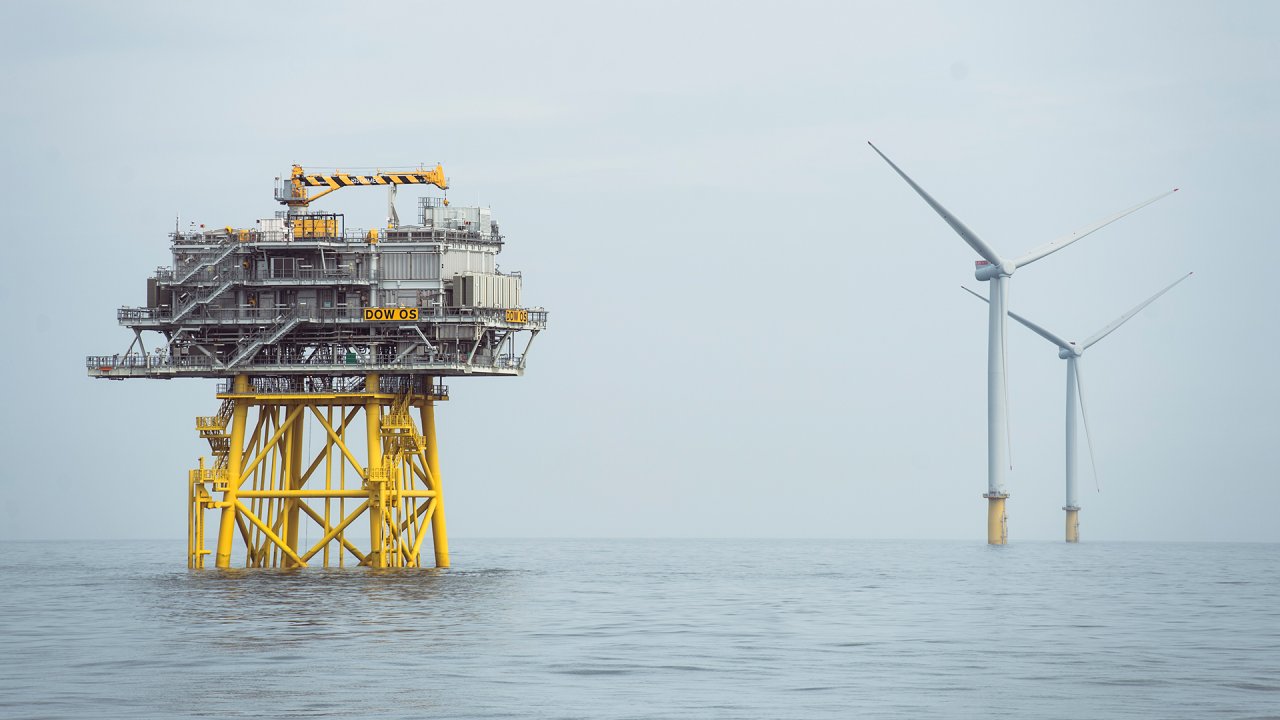
Rock installation inside substation jacket, UK sector (2016)

A rock dumping vessel had placed scour protection around the jacket, but the inside still needed filling. The ScanCrawler placed gravel around the spudcans while the 15Te Scanmachine fed it from outside, working inside the structure in 11 days.

Location:
UK Sector
Main Spread:
15Te Scanmachine and ScanCrawler, both with 12’’ size ejector and exhaust hose
Tooling:
Suction nozzles on both equipment, exhaust hose for connection of the vehicles
Water Depth:
18-25m
Duration:
11 days
Year:
2016

Scope of work

During the installation of a substation jacket, Scanmudring was engaged to fill and pump gravel inside the jacket, preventing erosion around the spudcans. 
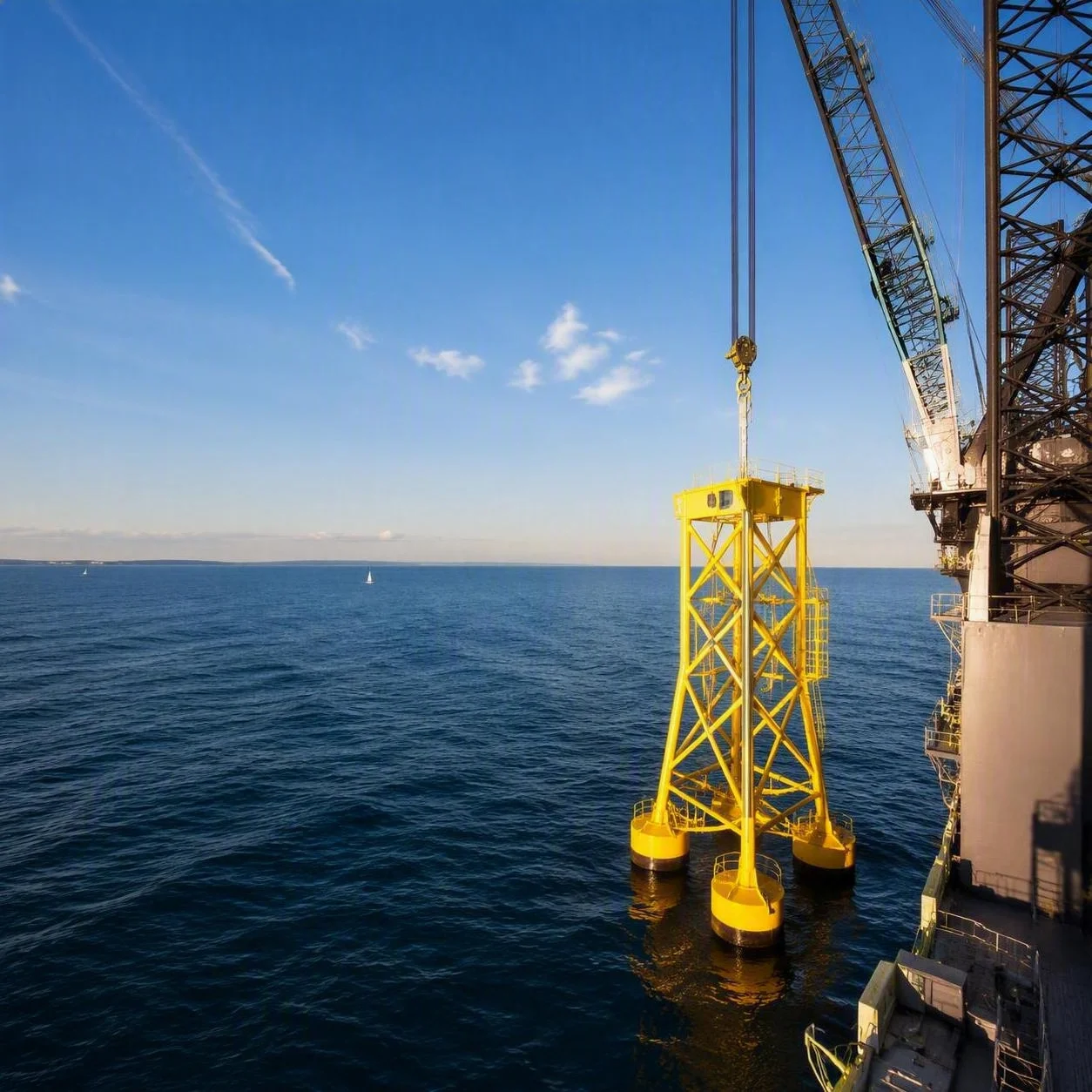
(Substation Jacket)

Planning Phase

Once the jacket was installed, a rock dumping vessel placed scour protection around the outside, but rock installation was still needed within the structure itself. The wind farm operator, a long-standing Scanmudring client, approached us for an efficient method of securing the area inside the jacket, particularly around the buckets. 

‍

Challenges
  • Strong current & Low visibility
  • Precise placement of rock dump, particulary around the spudcans
  • Limited access inside the jacket, both for getting equipment in and for working within the structure
  • Minimising disturbance to the pre-installed filter layer
  • Maximising efficiency across the scope
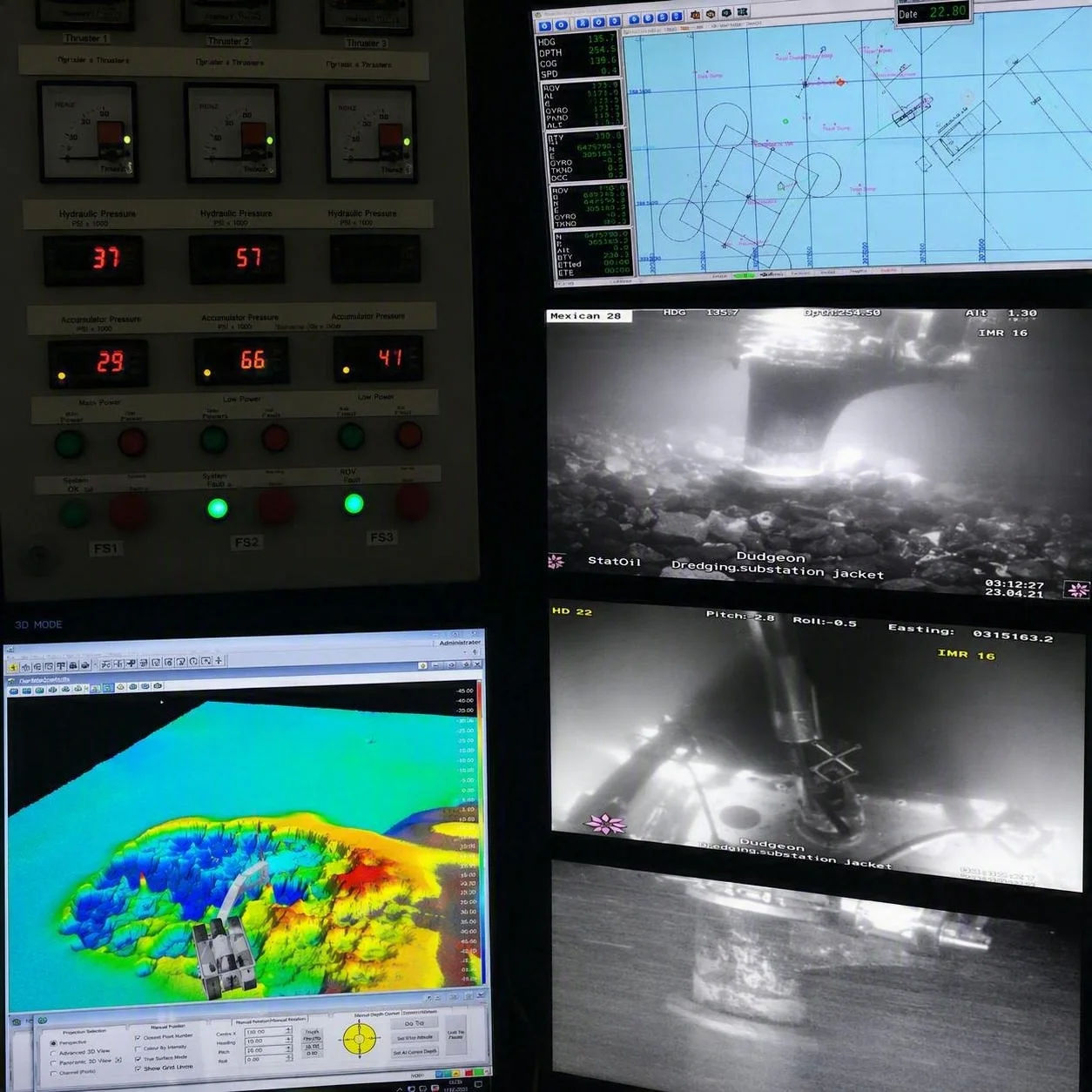
  • Monitoring the operation while working stably and independently of the tidal current
  • The operation required solutions for monitoring of the operation as well as the ability of working stable independantly of the tidal current.

Specific Tooling

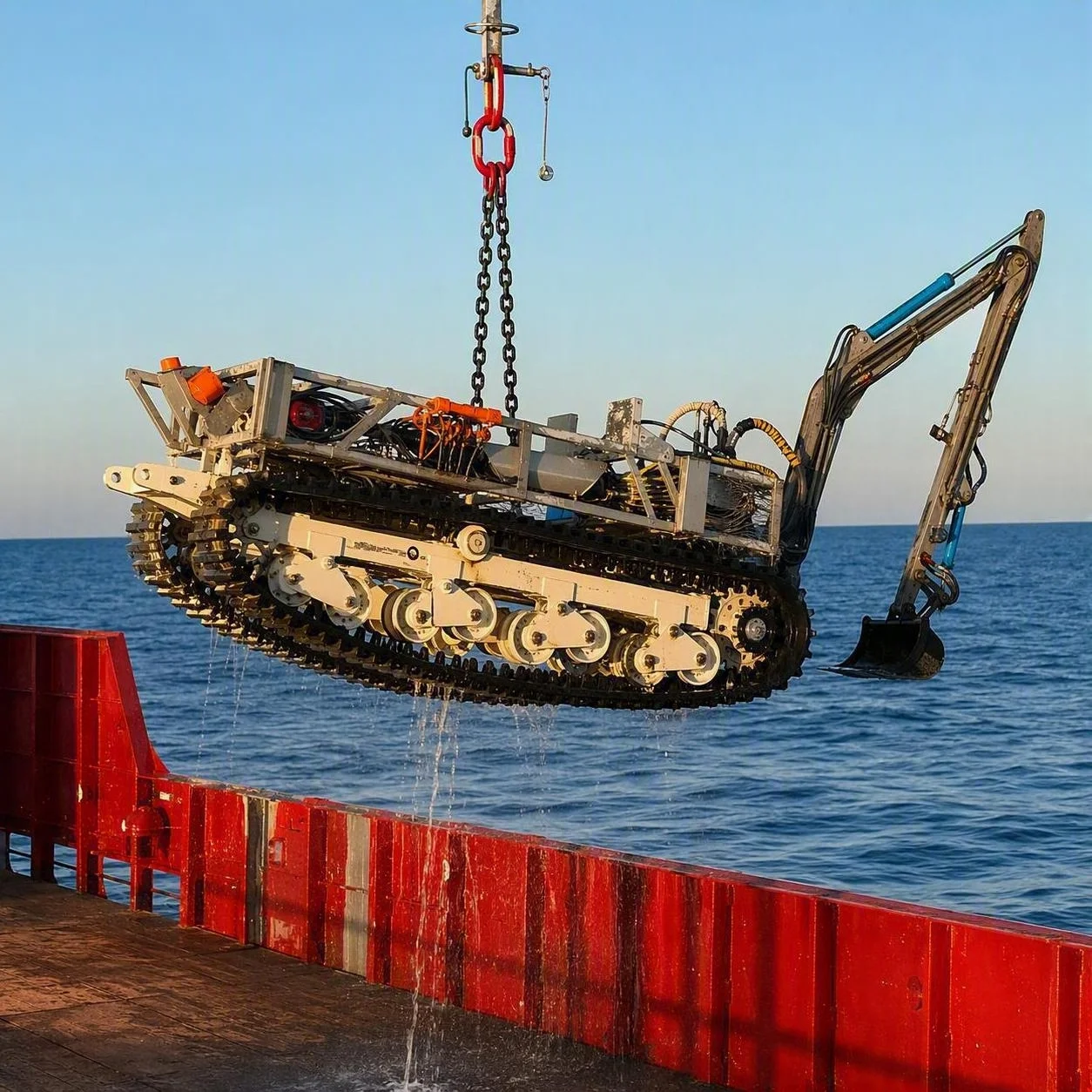
The ScanCrawler had been used inside structures before and was selected to place the rock. The 15Te Scanmachine fed the ScanCrawler with gravel pre-dumped out inside the jacket.
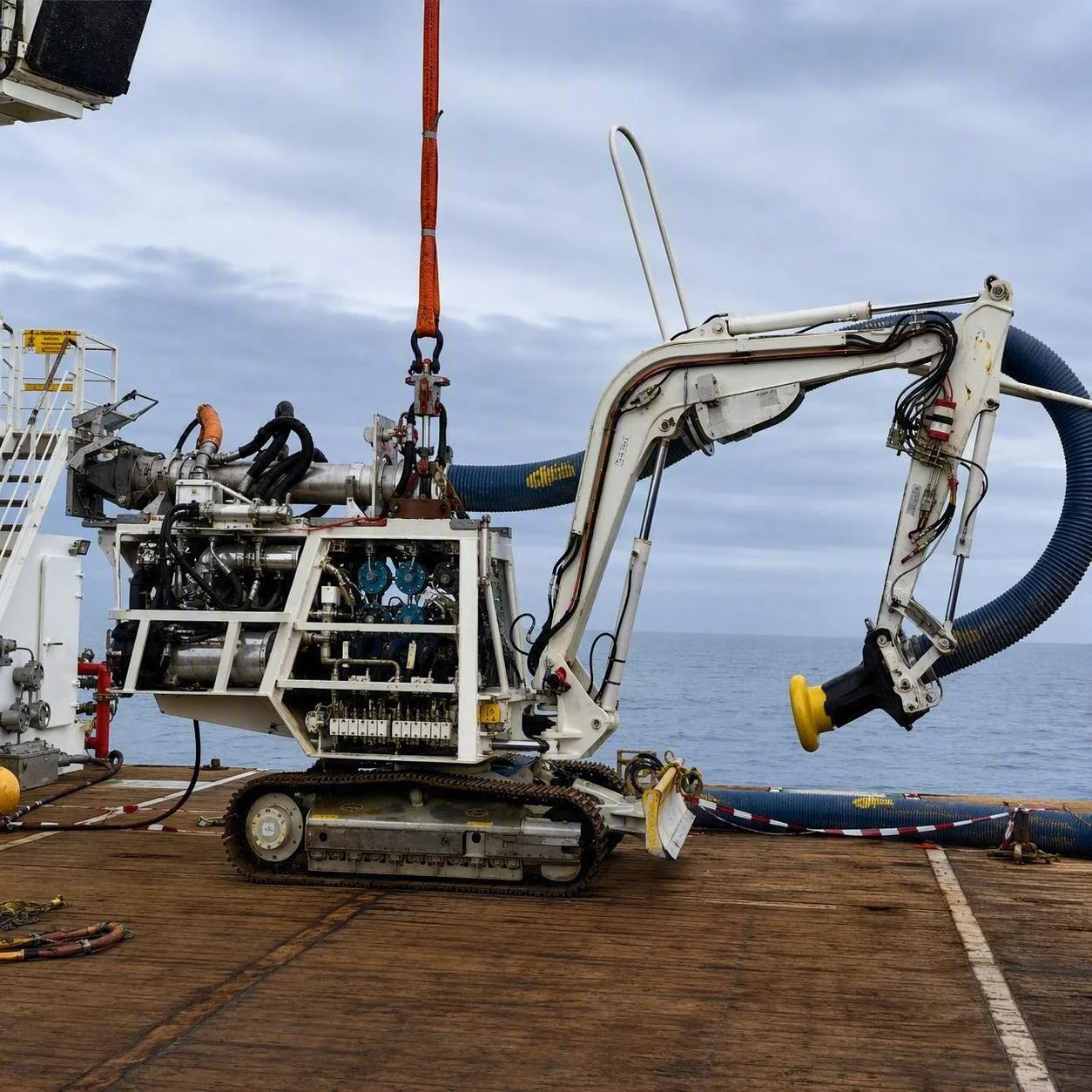
(SM15Te)
(ScanCrawler)

Project Execution

SIMOPS using both the Scanmachine and Scancrawler.

The method statement had the Scanmachine working the pre-dumped gravel outside the structure, with its exhaust connected to the ScanCrawler, which placed the rockdump inside the jacket. 

‍

Conclusion / Lessons Learned

  • The project was executed in a safe and effective manner
  • Close planning with the contractor was a significant factor in the outcome
  • The rock supplied was larger than advised, which caused more clogging than expected
  • Only one observation ROV and one work class ROV could be in the water at a time, so the ScanCrawler required frequent docking and undocking. The ROVs performed well despite strong current, shallow water and the confined conditions inside the jacket, but this slowed the operation
  • Relocation the entire spread with the hose connected to both machines worked well
(Rock installation)
(Control room)