Rock installation for rig positioning, Viking field (2018)

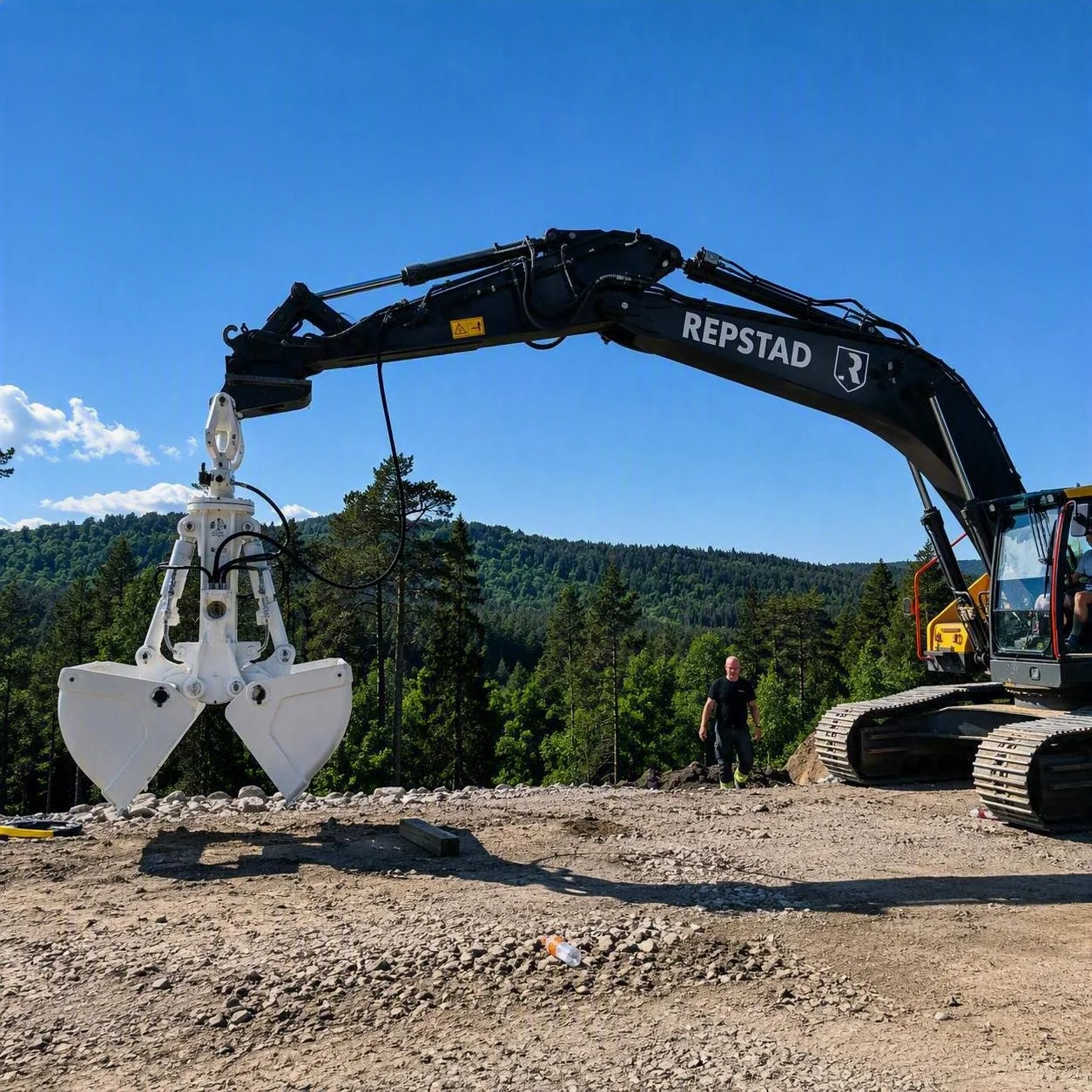
Relocating 6,961 m3 of rockdump to support a drilling rig footprint at two locations, without adding gravel. A 2 m3 grab on the new 40Te Scanmachine reached 55 m3/h against a simulated 48, in low visibility and strong tidal currents.

Location:
UK Sector
Main Spread:
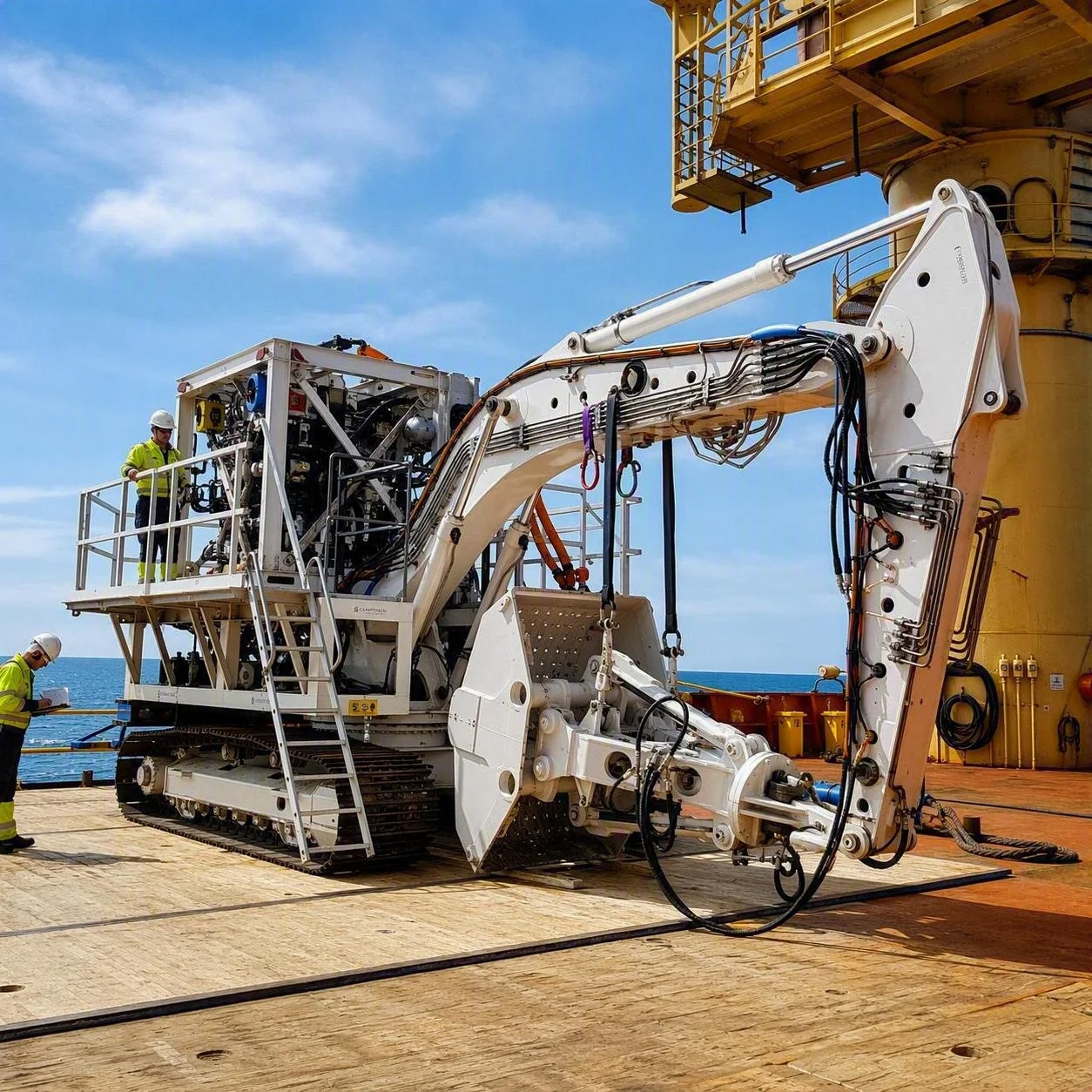
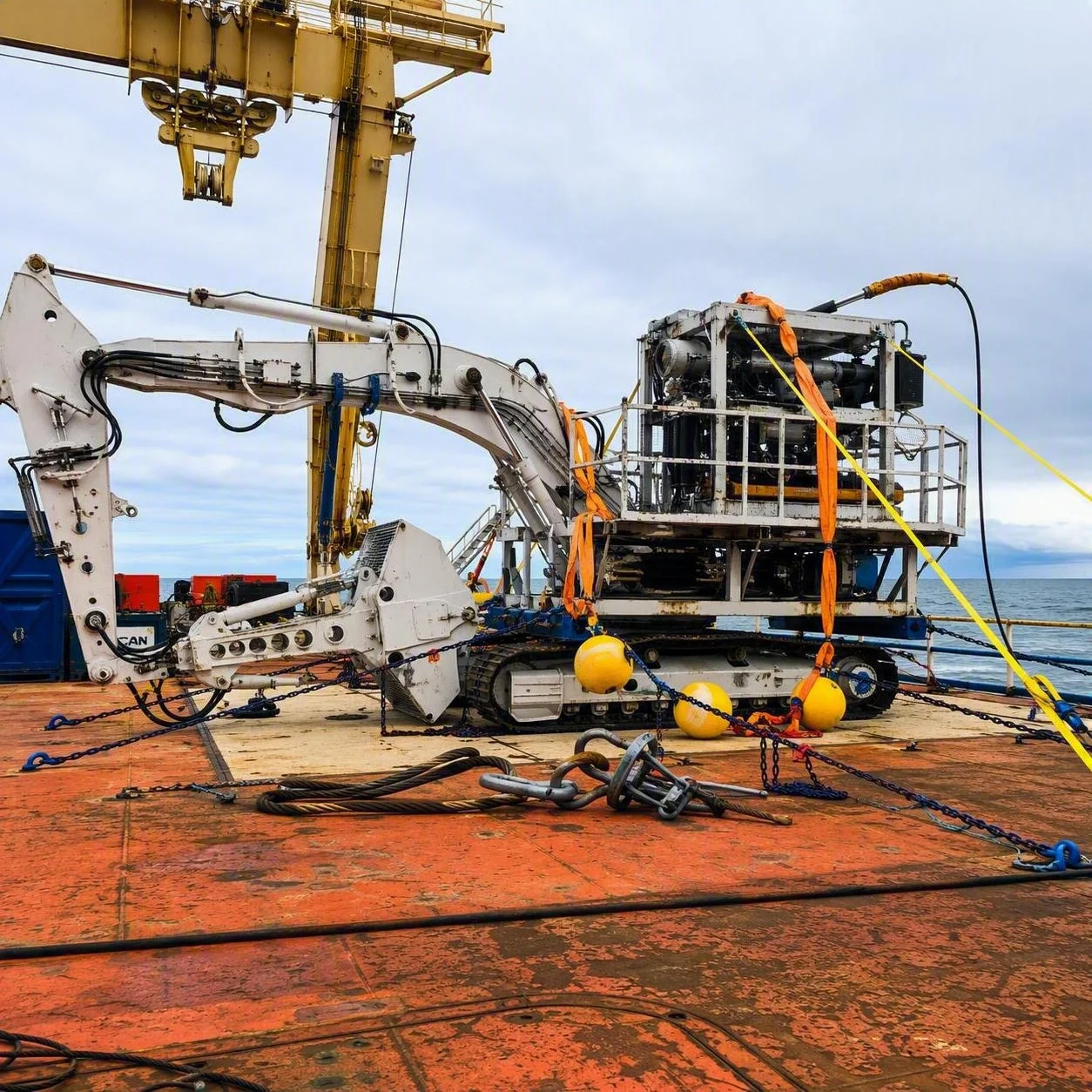
SM40Te
Tooling:
2,5m3 grab, bucket & 14” suction nozzle
Water Depth:
30m
Duration:
14 days
Year:
2018

Scope of work

In support of a P&A and platform removal campaign, Scanmudring relocated a total of 6,961 m3 of rockdump to support the footprint of a drilling rig at two locations. The operation was planned to DNV design criteria, fulfilling foundation stabilisation while minimising seabed disturbance. 

‍

Environmental constraints at both locations meant that, so far as reasonably practicable, additional gravel had to be avoided and seabed disturbance kept to a minimum throughout. 

‍

The underlying principle was to re-form the highest parts of the berms and push the peaks into the adjacent troughs. This reduced overall berm thickness and, where necessary, removed side walls and the outer edges of top pad arrangements (scalloping), re-depositing that rock within the footprint of the proposed berm de

sign. 
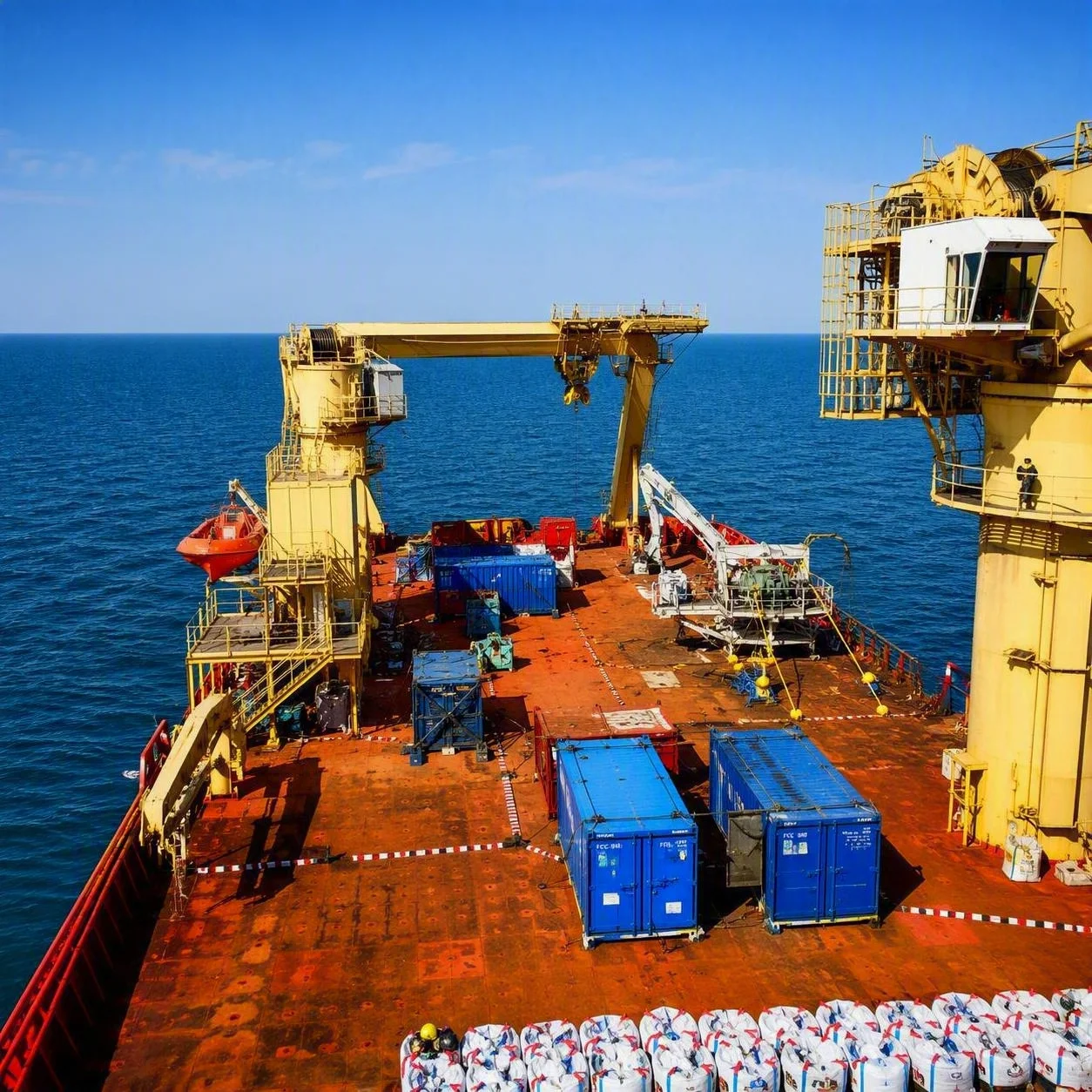
(Offshore vessel)

Planning Phase

The planning phase worked through the scope to identify project-specific challenges.

Given the large volume involved, a traditional ejector setup was judged unsuitable as the main tool.

‍

Adapting proven onshore equipment for subsea remote operation had worked well on previous projects, and the same approach was taken here: a 2 m3 grab was acquired and tested onshore before offshore execution. 

Low visibility combined with strong tidal conditions called for additional monitoring. Echoscope software was brought offshore to supplement the excavator's existing monitoring system. 

‍

Challenges
  • Strong tidal currents
  • Low visibility
  • No ROV support
  • Precise placement of rock dump
  • Minimising disturbance to the surrounding area
  • Maximising efficiency across the scope
Specific Tooling
  • Newly developed 40Te Scanmachine, capable of mounting a 2m3 grab
  • High production rate combined with high placement precision
  • No hose handling required
  • Reduced ROV support
  • Works within a tolerance of +-300mm
  • Accepts standard onshore excavation tools
(Grab testing)
(SM40te)

Project Execution

Excavation with the 2m3 grab

‍The project opened with the 2m3 grab.

  • The 3D sonar served as the primary camera. Combined with 3D modelling software, it allowed good progress to be reported from the outset
  • Simulations in the planning phase estimated 48 m3/h
  • Measured performance during excavation reached 55 m3/h

‍

Excavation with the bucket

Final levelling and parts of the scope required a bucket.

  • Simulations estimated 20 m3/h
  • Measured performance ranged from 17 to 28 m3/h, depending on wheter the work was bulk relocation or levelling of the top surface

Conclusion / Lessons Learned

  • The project was executed safely and effectively. Close planning with the contractor was a significant factor in the outcome
  • Tidal conditions caused poor visibility and a narrow dive window for the ROV, so the Coda Echoscope was relied on heavily
  • ROV work at the Viking field is constrained by tidal conditions, which limits survey, inspection, support and monitoring during operations
  • Live sonar imaging is well suited to this depth
  • The 2 m3 grab proved effective in fine rock material
(SM40te)
(Control room)