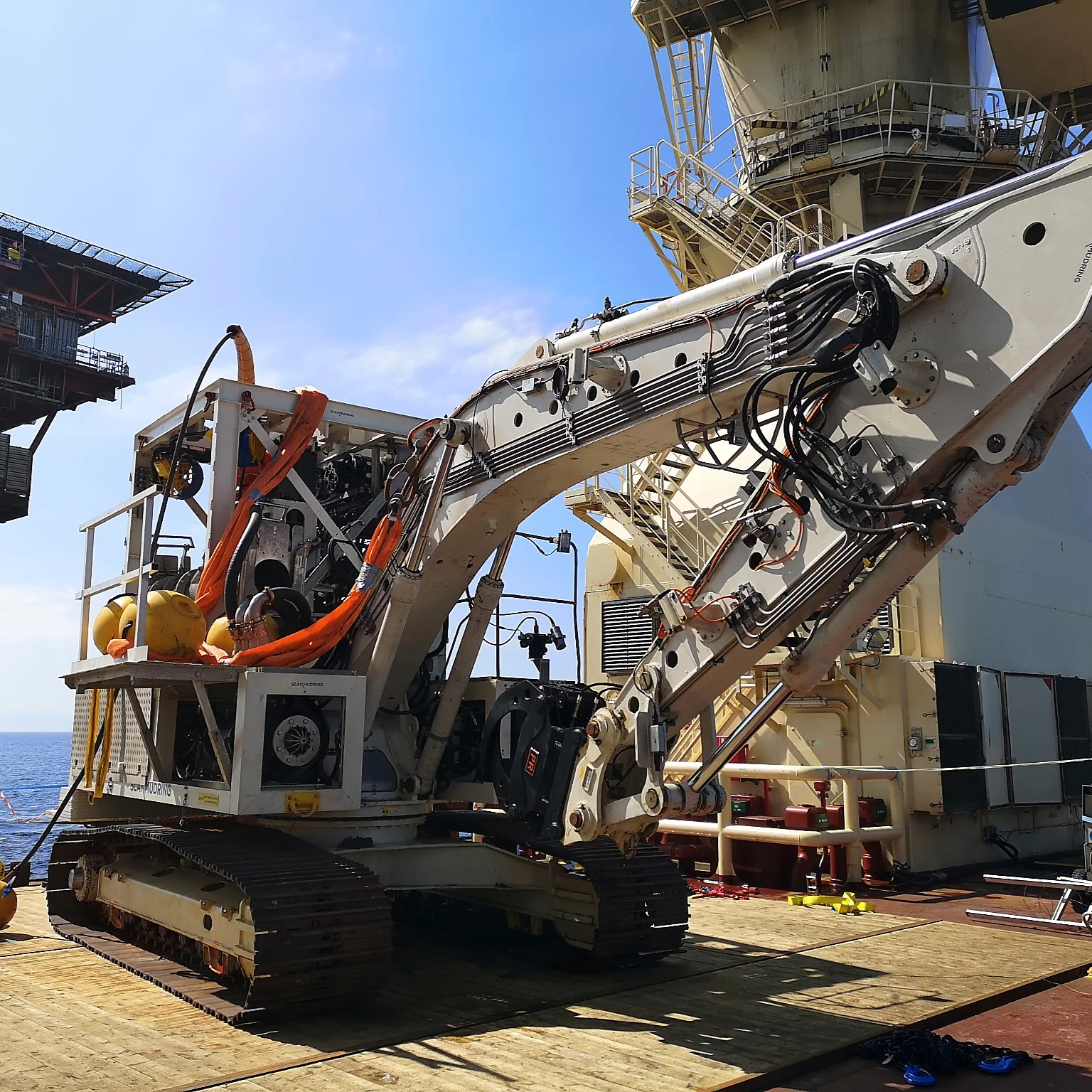
Following a successful 2018 campaign, the client returned to Scanmudring for a second scope supporting the footprint of a drilling rig. The 40Te Scanmachine was used to relocate rockdump, remove debris and uncover pipe for DWS, delivering long-duration subsea work with strong efficiency and reliable performance.
Location:
UK Sector
Main Spread:
SM40Te
Tooling:
Tiltbucket, Rippertooth, Log grapple, Bucket w/ teeth, Chaincutter, Ejector system
Following the 2018 campaign, the client reordered the 40Te Scanmachine to support the footprint of a drilling rig at two locations. The 2020 scope covered:
Rock remedial work to DNV design criteria, fulfilling foundation stabilisation while avoiding the use of additional gravel and minimising seabed disturbance
Debris removal
Pipe uncovering in preparation for DWS
Relocation of two pipes that had already been cut and left
(Pre dredging)
Planning Phase
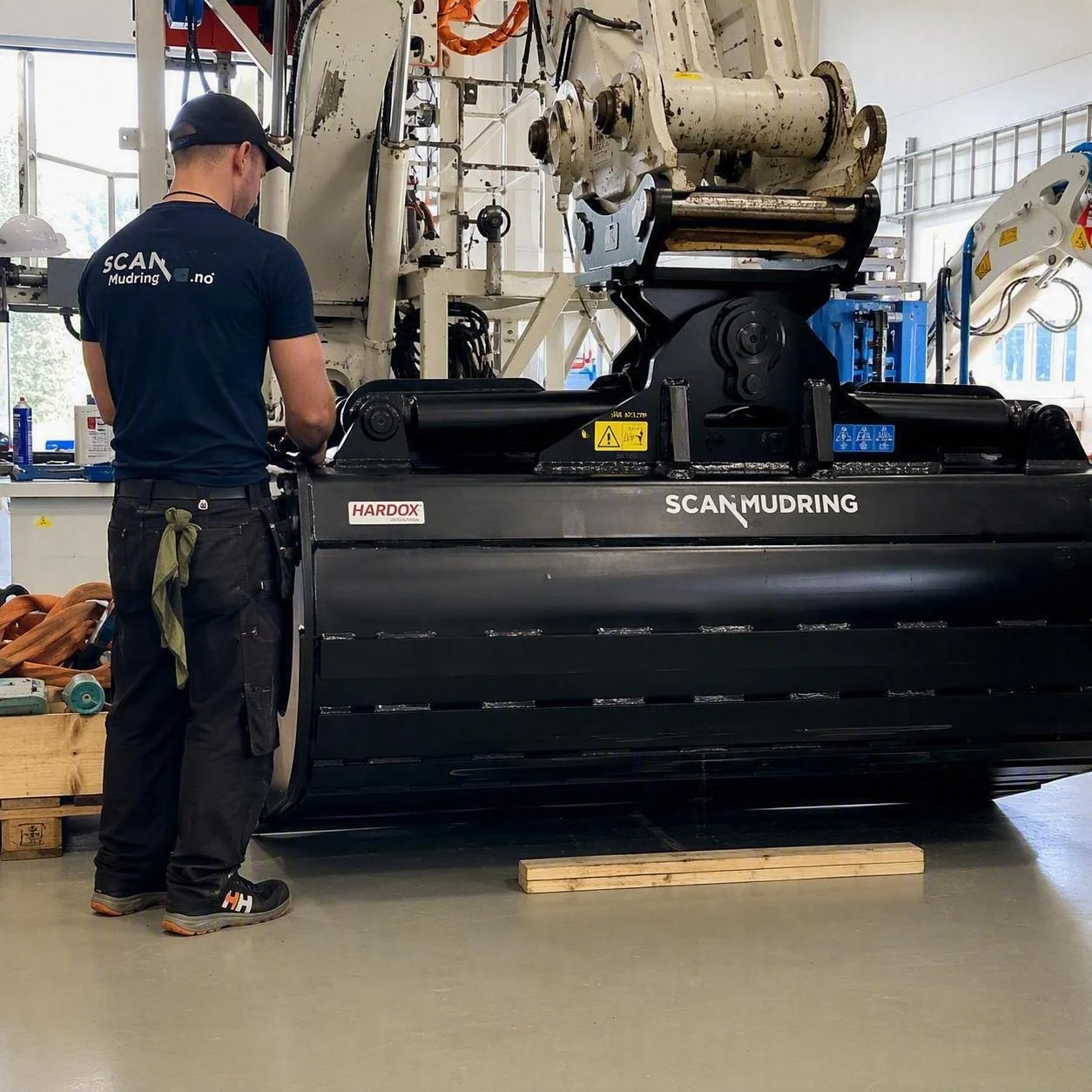
Given the volume of material to be processed, the 2018 campaign had already shown that a grab setup was more efficient than a traditional ejector. To improve seabed preparation further, a 2.1 m tilting levelling bucket was selected as the maintool.
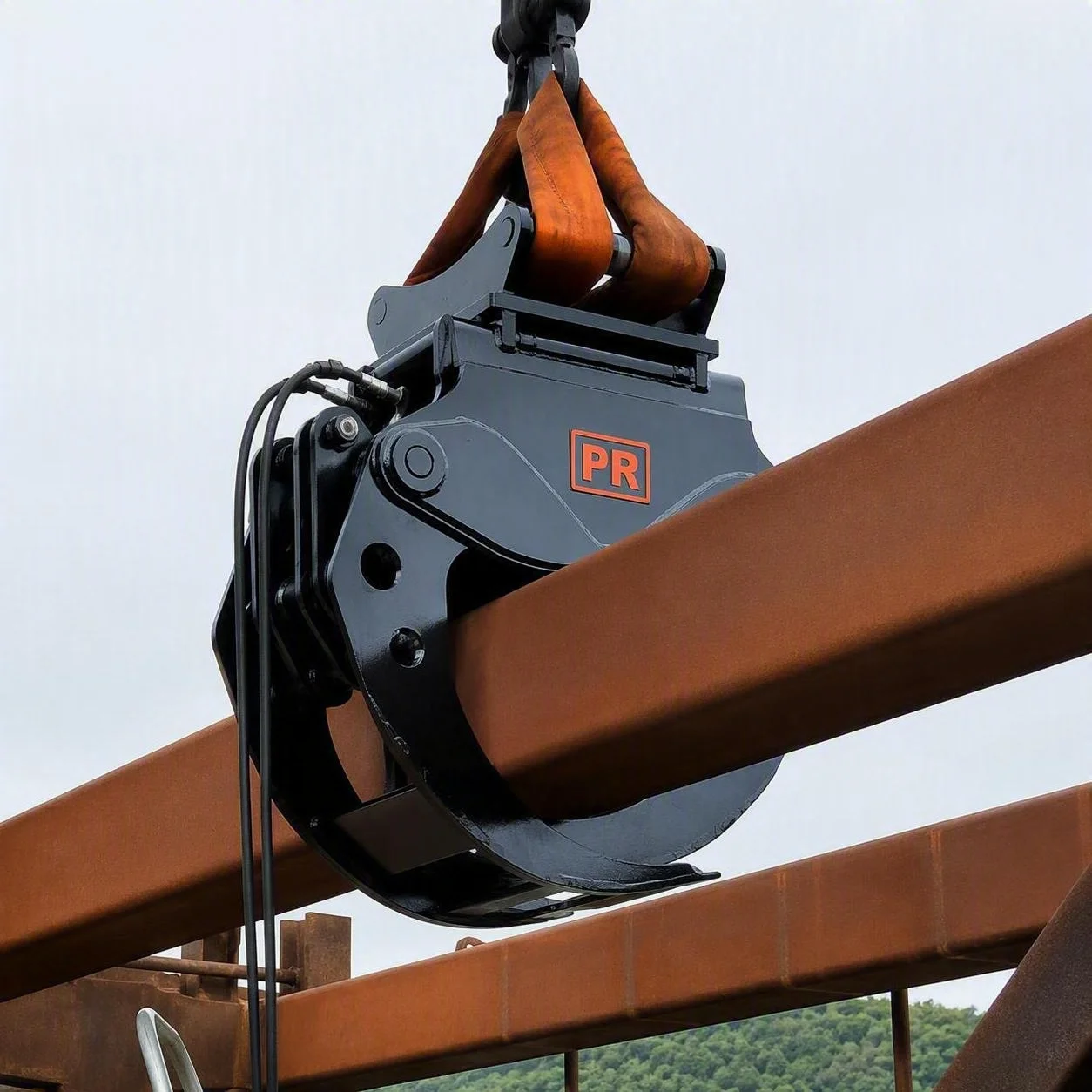
At short notice, the client also asked whether Scanmudring could provide a tool capable of lifting and relocating pipes from 3" to 20". Scanmudring sourced a conventional onshore log grapple, then modified and tested it at its own facilities. A ripper tooth was brought offshore to handle debris and harder material.
(Claw testing)
(Grab testing)
Challenges
Strong tidal currents
Low visibility
No ROV support
Precise placement of rock dump
Minimising disturbance to the surrounding area
Debris
Maximising efficiency across the scope
Specific Toolin
40Te Scanmachine, capable of mounting heavy-duty tooling
High production rate combined with high placement precision.
No hose handling required
Reduced ROV support
Works within a tolerance of +-200mm
Accepts standard excavation tools from our onshore partners.
Project Execution
Pad remedial
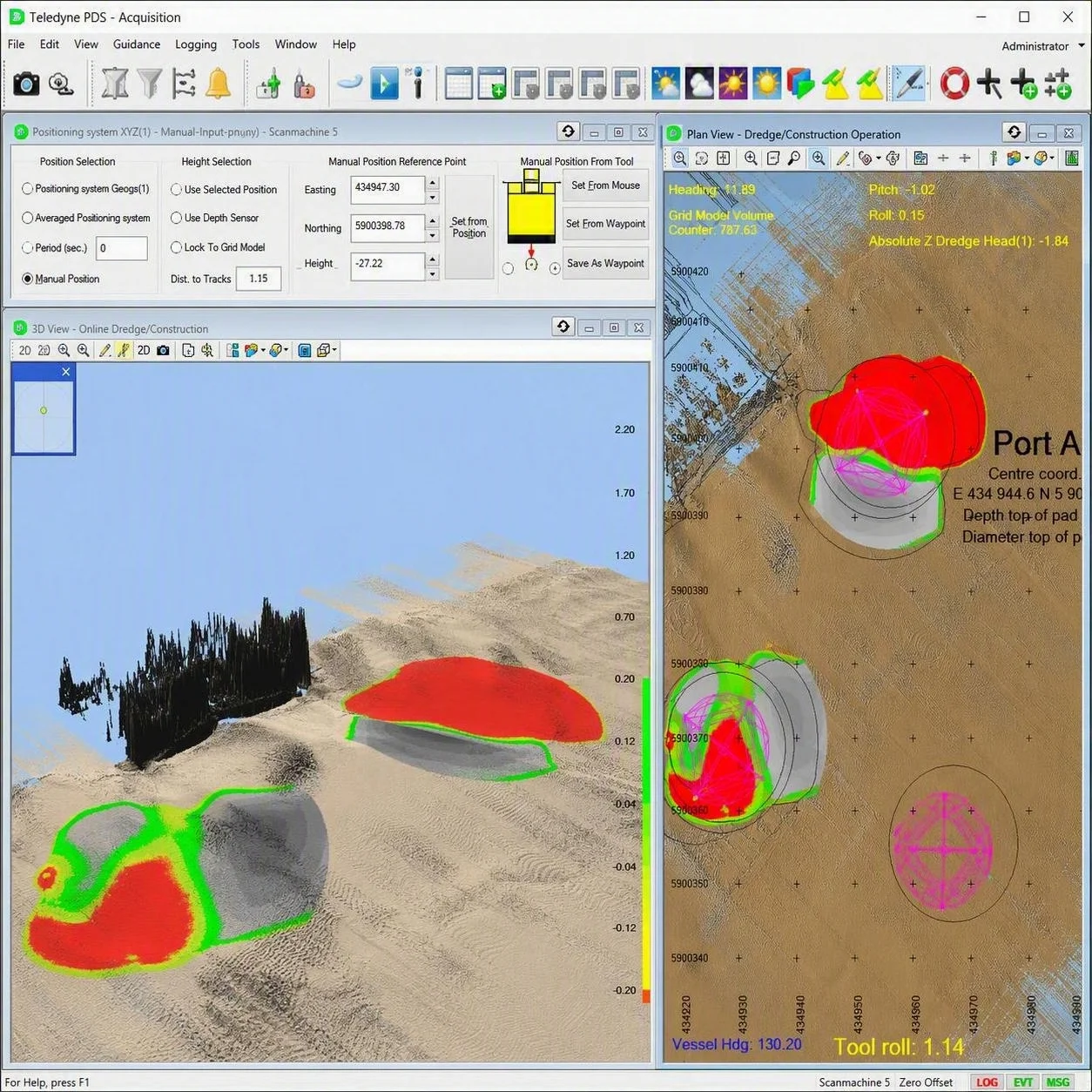
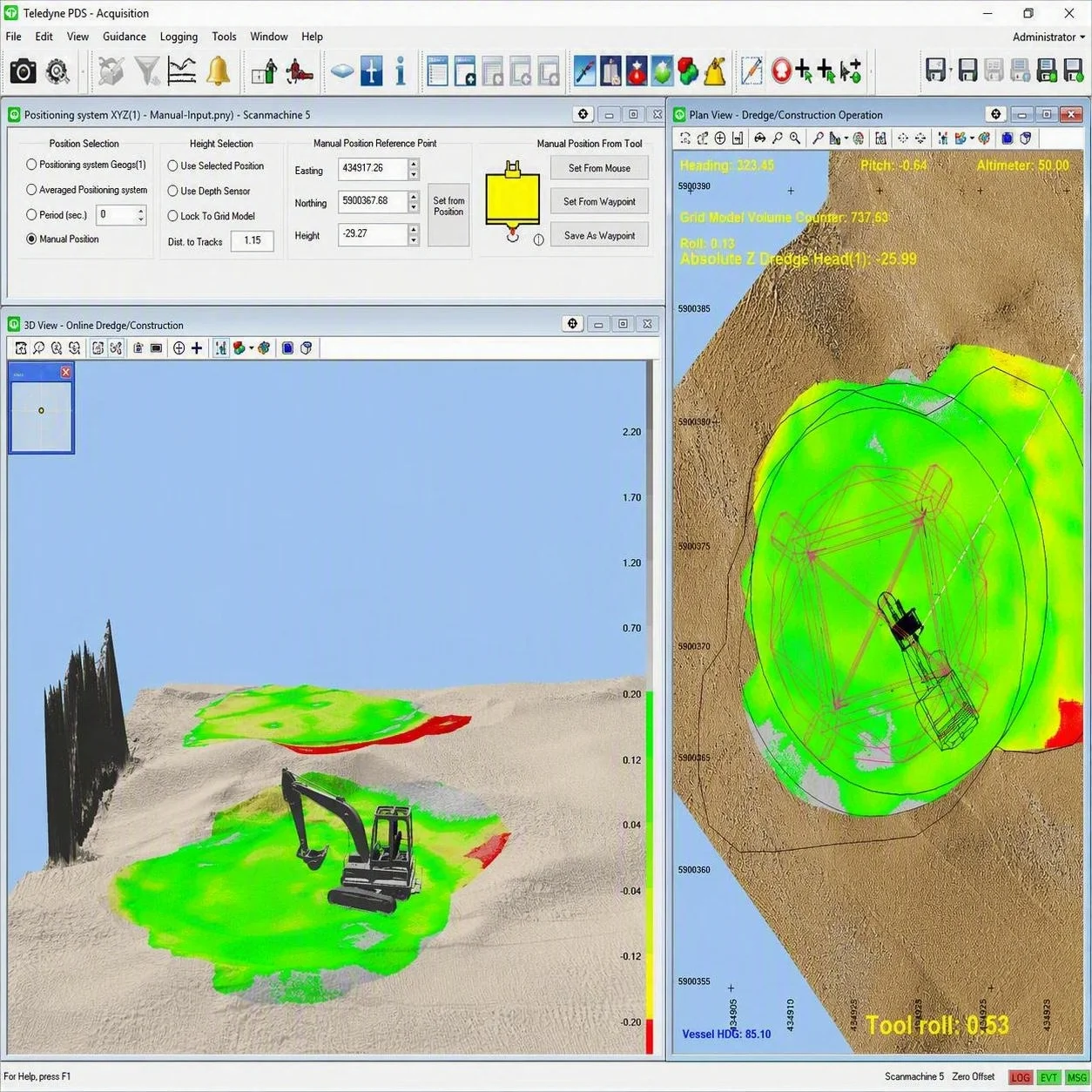
The design aimed to reduce overall berm thickness, removing side walls and the outer edges of top pad arragnements where necesarry (scalloping) and re-depositing that rock within the footprint of the proposed berm. The large tilt bucket was used throughout and proved highly efficient, holding level regardless of machine roll, monitored in PDS, with a thin and precise blade.
Pipe uncovering and debris removal
The log grapple manoeuvred pipes of various sizes that were inaccessible to the crane, lifting and shifting a 5-6 m section of 20" pipe 60-70 m within minutes.
The ripper tooth broke through hard layers to reach pipe depth, and was also used to drag longer pipe sections choked with softslings.
Suction nozzles were the preferred method for uncovering pipes and creating room for future DWS cutting, primarily to maintain visibility.
Conclusion / Lessons Learned
The poject was executed safely and effectively
Close planning with the contractors was a significant factor in the outcome
Depth readings can be challenging in shallow water, where wave action affects accuracy. - This is an area to improve on future campaigns
The 40Te Scanmachine proved reliable, running dives of continious heavy excavation up to 87 hours without issue.


.jpg)
.webp)
.webp)
.webp)
.webp)
.webp)
.webp)
.webp)