Offshore Wind Project in East Asia (2025)

Scanmudring treated approximately 60 km of offshore cable, achieving a target lowering depth of approximately 1.5–2.0 m, with only around 10% of the route requiring a second pass. The campaign combined SCANCFE 4500 Controlled-flow technology, PG16 profiling equipment and ScanCrawler for cable-route work and targeted intervention in restricted-access foundation areas.

Location:
East Asia
Main Spread:
SCANCFE 4500, PG16 Profiling Grab and ScanCrawler SC01
Tooling:
ScanCrawler bucket, high-pressure cleaning equipment and survey systems
Water Depth:
40m
Duration:
12 days
Year:
2025

Scope of work

Scanmudring was engaged to support dredging, seabed preparation and cable lowering across several work areas within a major offshore wind development. The campaign primarily involved sandy seabed conditions, while selected locations required targeted rock removal and more specialized intervention methods.

‍

The campaign included lowering approximately 60 km of cable into the seabed. The Controlled-flow equipment was suspended around 2–3 m above the seabed and operated with a 0.6 m nozzle while the vessel advanced at approximately 0.10–0.15 knots. The target lowering depth was approximately 1.5–2.0 m, exceeding the minimum requirement of 0.9 m.
Planning Phase

The campaign required a flexible and coordinated spread that could deliver repeatable cable-lowering operations in sandy seabed conditions while remaining ready for targeted intervention where harder material was encountered. To support this range of work, the custom spread was mobilized in stages and prepared for both open-route operations and restricted-access areas before the offshore campaign began.

‍

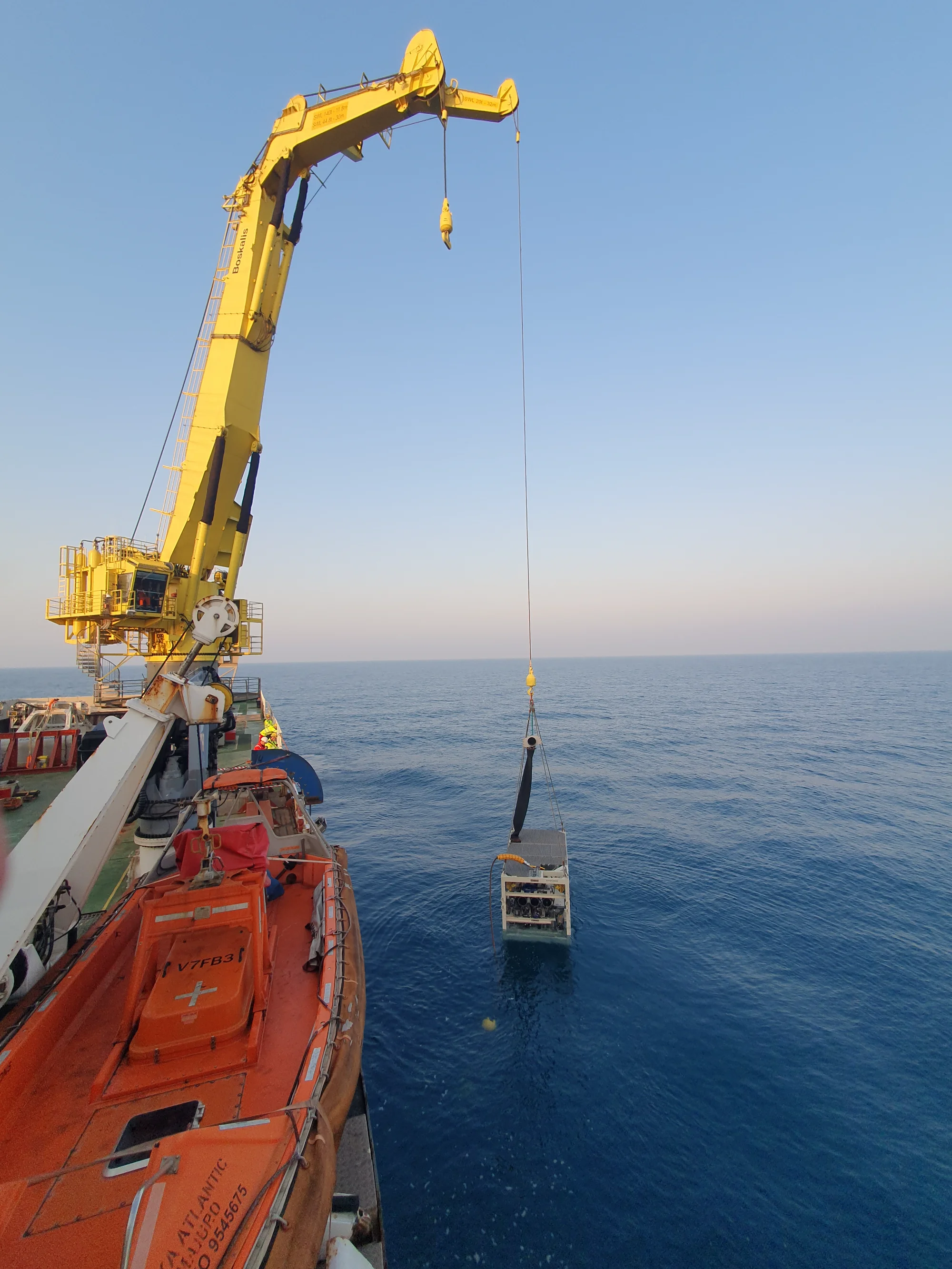
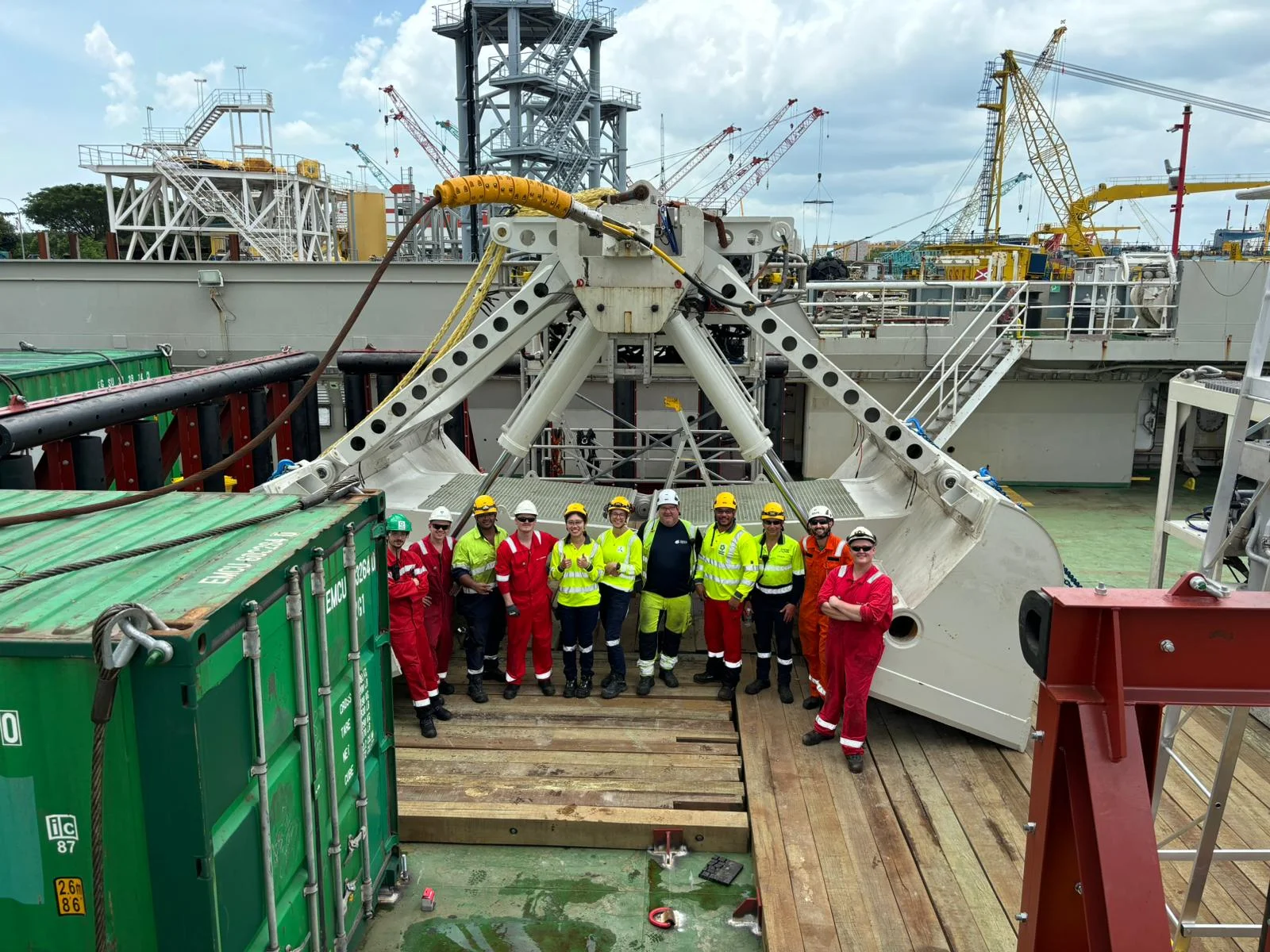
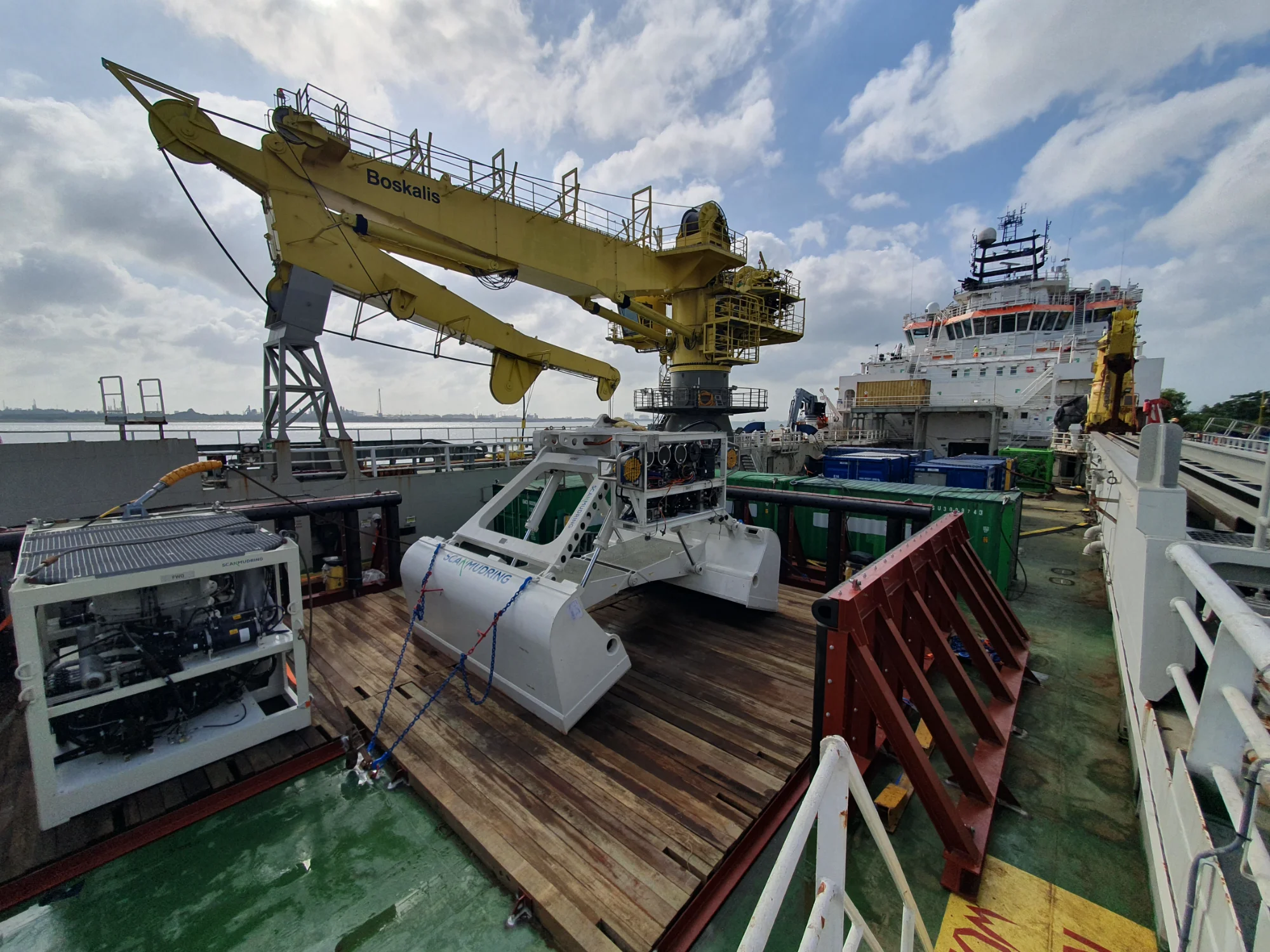
The offshore spread combined SCANCFE 4500 for seabed fluidization and cable lowering, PG16 for profiling, survey supportand targeted rock removal, and ScanCrawler for excavation and cleaning inrestricted-access areas.

‍

Challenges

  • Completing repeatable seabed interventions across multiple work areas.
  • Lowering installed cables by fluidizing the surrounding sandy seabed without direct mechanical contact with the cable.
  • Adapting the work method when hard material or rock was encountered.
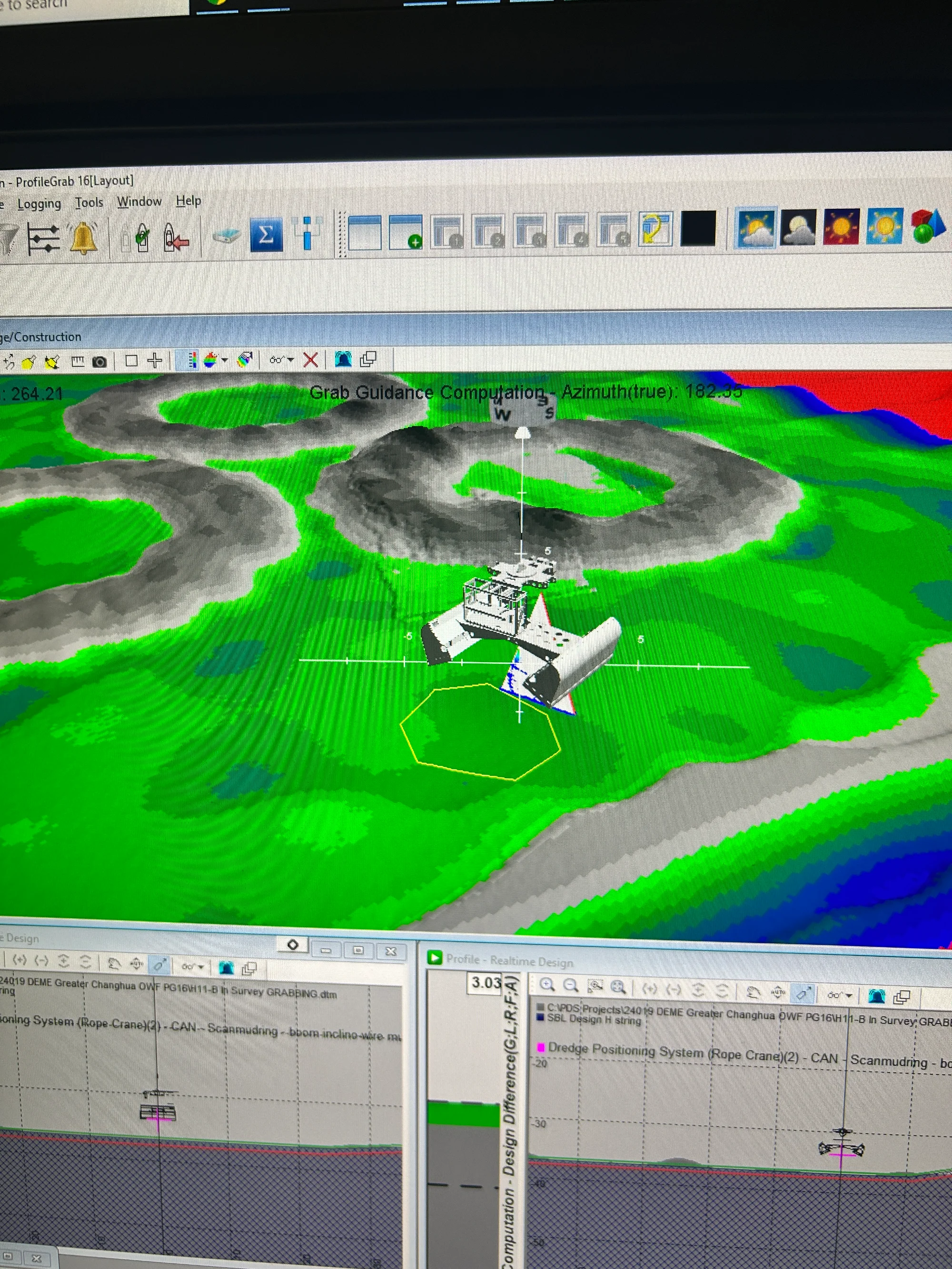
  • Maintaining accurate positioning and verifying results through intermediate surveys.
  • Mobilizing and operating several specialized tools as one coordinated offshore spread.

Specific tooling

  • SCANCFE 4500 Controlled-flow equipment for seabed fluidization and cable lowering.
  • PG16 Profiling Grab for seabed profiling, intermediate survey work and targeted rock removal.
  • ScanCrawler SC01 with a bucket and high-pressure cleaning equipment for work in confined or estricted-access areas.
  • Survey and positioning systems used to verify seabed conditions and intervention results.
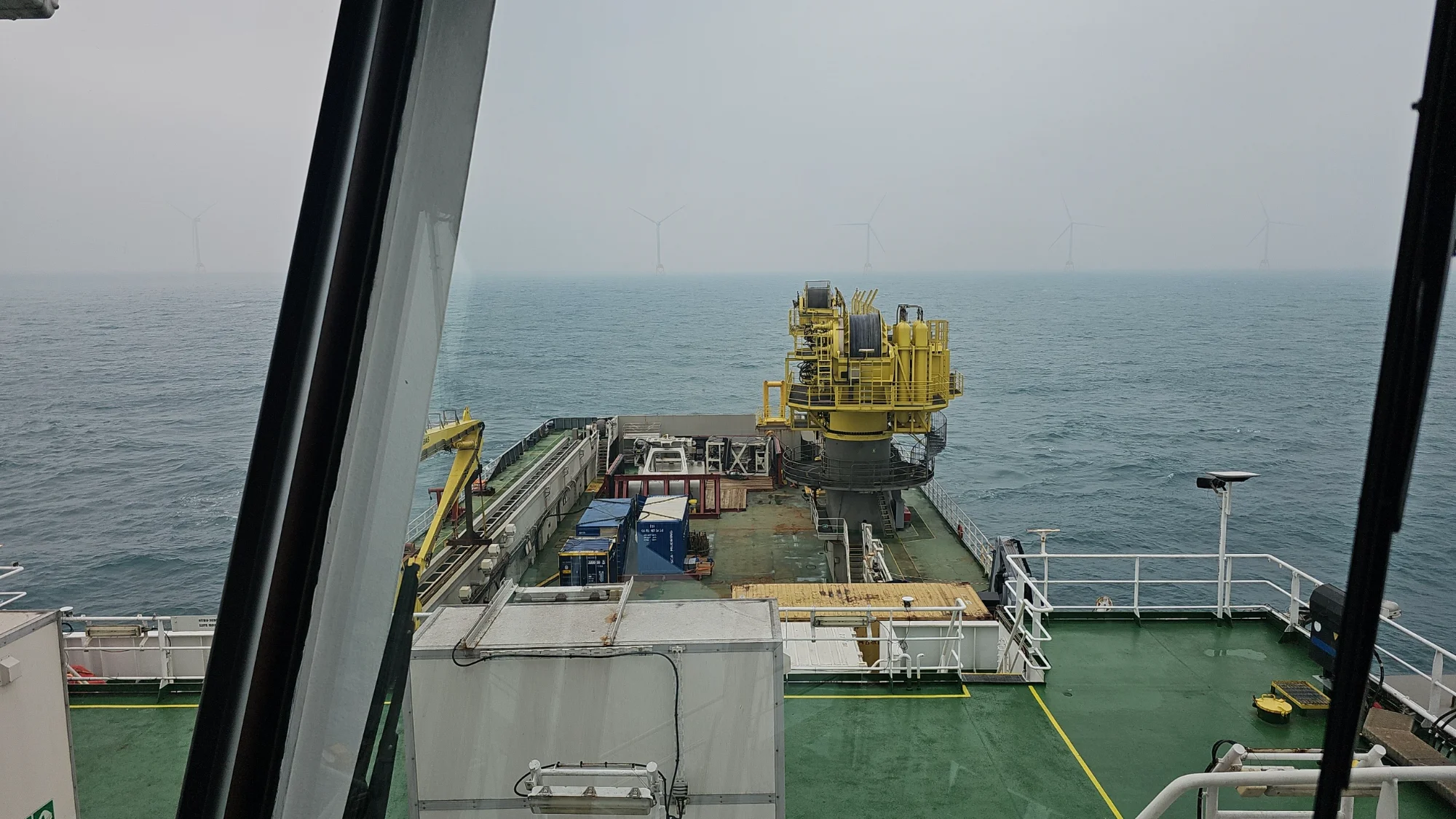
(PG16 and SCANCFE 4500 on deck)

Project Execution

The combined spread gave the project team one adaptable solution for several intervention types, reducing the need to change equipment when seabed conditions or access constraints changed. This supported continuity across the campaign and allowed each operation to be matched with the most suitable tool.

‍

The documented cable-lowering pass covered approximately 60 km. Around 6 km required a second pass, equivalent to about 10% of the treated length. The pass took approximately 5 hours. In a separate local dredging operation, around 90 m³ of sand was removed in approximately 9 hours, corresponding to an average production rate of about 10 m³/h.

‍

For the cable-lowering work, SCANCFE 4500 was held above the seabed while fluidizing the soil around the cable. Intermediate surveys were performed as required to verify seabed conditions and confirm the result of each intervention.

Conclusion / Lessons Learned

Scanmudring delivered an efficient and dependable offshore solution, treating approximately 60 km of cable and achieving a target lowering depth of approximately 1.5–2.0 m. With only around 10% of the route requiring a second pass, the campaign demonstrated the value of a precise, well-coordinated approach to large-scale cable-lowering operations.

‍

The same flexibility was proven during aseparate local dredging operation, where approximately 90 m³ of sand was removed at an average production rate of about 10 m³/h. By combining SCANCFE 4500, PG16 and ScanCrawler in one adaptable spread, Scanmudring provided a versatile solution for cable lowering, targeted material removal and restricted-access seabed intervention- helping the project maintain progress as operational requirements changed.

‍